

How Do I Clean My Teeth Properly with Braces On?

By Elvebak Orthodontics | April 29, 2026
Braces are a big step toward a healthier, more confident smile—but they also make your daily oral care routine a bit more detailed. If you’ve ever looked in the mirror and wondered whether you’re cleaning around those brackets and wires the right way, you’re not alone. Proper hygiene during orthodontic treatment is essential, not just for keeping your teeth clean, but for protecting your results long after the braces come off.
Let’s walk through how to keep your teeth and braces truly clean—without overcomplicating your routine.
Why Cleaning Your Teeth with Braces Matters More Than Ever
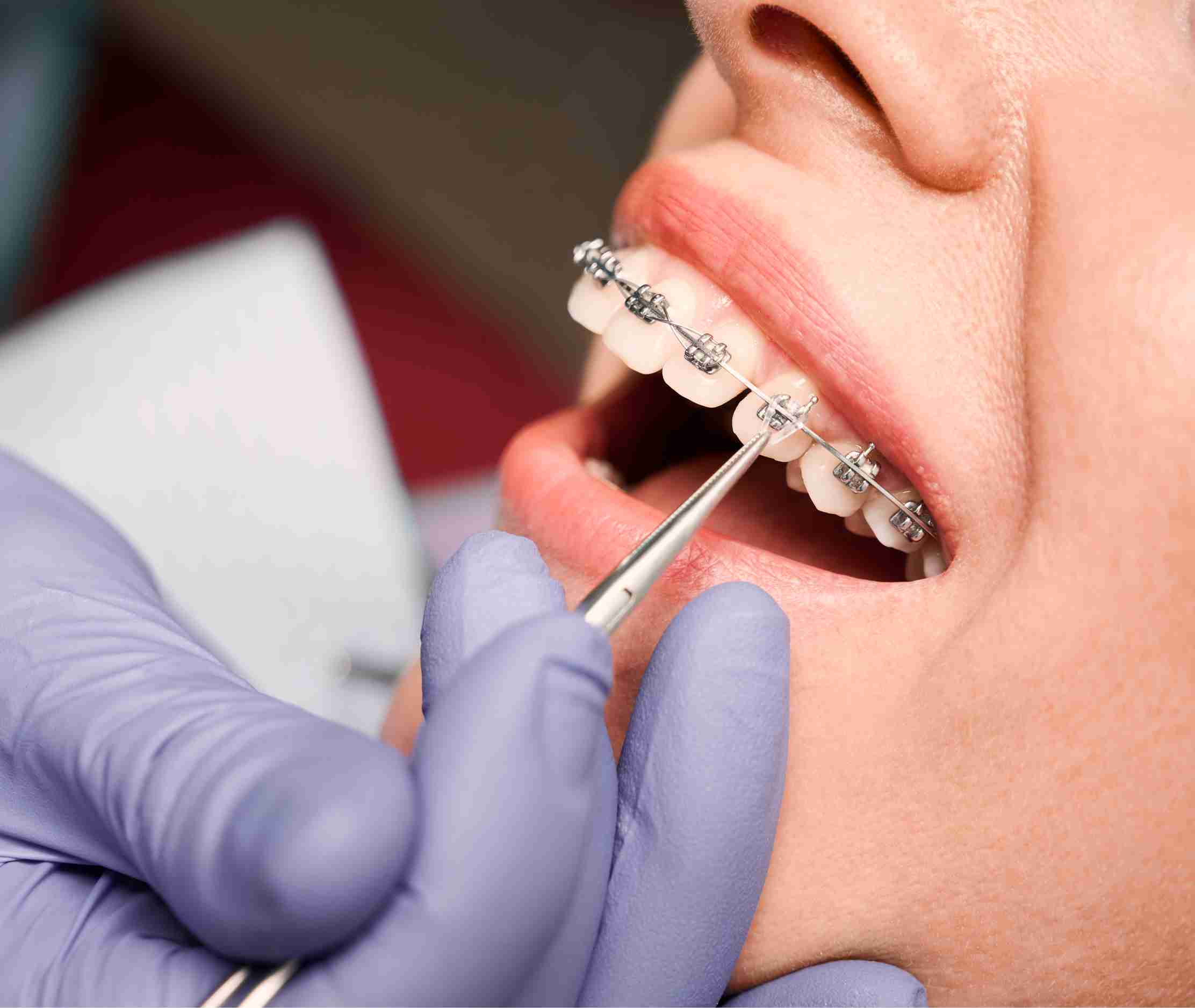
Braces create small spaces where food particles and plaque can easily get trapped. If not cleaned properly, this buildup can lead to:
- Plaque accumulation around brackets
- Gum irritation or swelling
- White spots or staining on teeth
- Increased risk of cavities
During orthodontic treatment, maintaining consistent and effective oral hygiene helps ensure that your teeth not only move into the right position but also stay healthy throughout the process.
The Right Way to Brush with Braces
Use the Right Toothbrush and Technique
A soft-bristled toothbrush or an electric toothbrush works best when you have braces. The key is not just brushing—but brushing correctly.
- Hold your toothbrush at a 45-degree angle toward the gumline
- Brush above and below each bracket carefully
- Use small, gentle circular motions
- Spend at least 2 minutes brushing
Make sure you clean every surface—front, back, and chewing areas. Brushing after every meal is ideal to prevent food from sitting around brackets.
Pay Extra Attention to Brackets and Wires
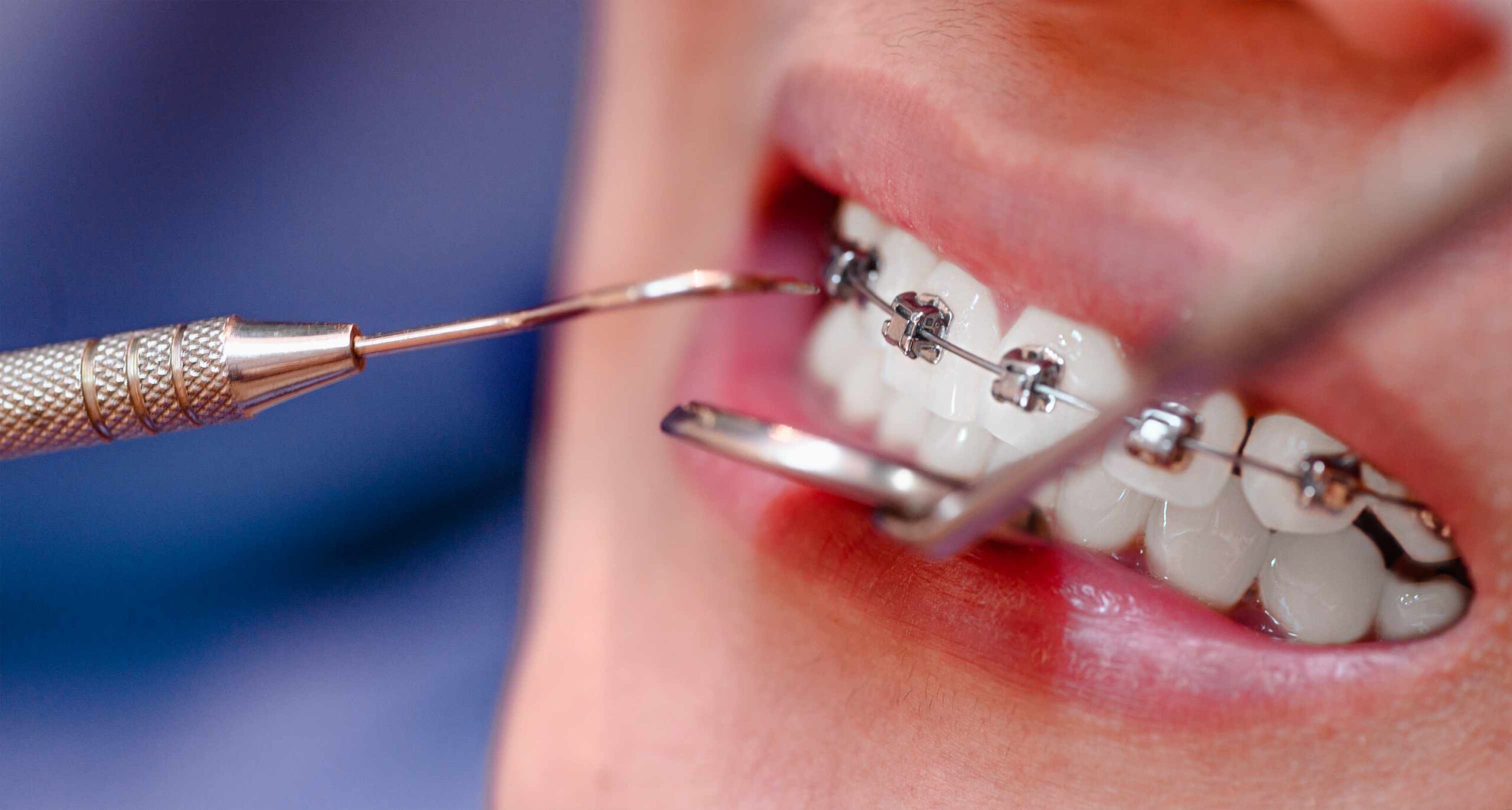
Brackets and wires can easily trap debris. Take a few extra seconds to:
- Brush around each bracket individually
- Clean underneath the wires
- Check your teeth in the mirror to ensure no food is left behind
This step makes a noticeable difference in keeping your smile clean during orthodontic treatment.
Flossing with Braces: Yes, It’s Still Important
Flossing might feel more challenging with braces, but it’s just as important—if not more.
Use Tools That Make It Easier
Instead of skipping flossing, try tools designed for braces:
- Floss threaders to guide floss under wires
- Orthodontic floss picks for easier handling
- Water flossers for added convenience
Take your time and gently clean between each tooth. Even if it takes a little longer, it’s worth the effort to prevent plaque buildup in hard-to-reach areas.
Don’t Skip Rinsing
Add a Mouthwash to Your Routine
An antimicrobial or fluoride mouthwash can help:
- Reduce bacteria
- Strengthen enamel
- Reach areas your toothbrush may miss
Rinsing once or twice a day adds an extra layer of protection, especially during orthodontic treatment.
Foods and Habits That Affect Cleanliness
Be Mindful of What You Eat
Certain foods can make cleaning more difficult or increase the risk of buildup:
- Sticky foods that cling to braces
- Sugary snacks that feed bacteria
- Hard foods that can damage brackets
Choosing braces-friendly foods makes your cleaning routine more effective and helps avoid unnecessary complications.
Avoid Skipping Your Routine
It can be tempting to skip brushing or flossing when you’re tired, but consistency is key. Even one missed session can allow plaque to build up quickly around braces.
Signs You May Need to Improve Your Cleaning Routine
Even with your best efforts, it’s helpful to watch for signs that your oral hygiene routine may need adjustment:
- Gums that appear red or swollen
- Persistent bad breath
- Visible plaque around brackets
- White spots forming on teeth
If you notice any of these, it’s a good idea to refine your technique and stay consistent with your care.
Building a Routine That Works for You
Keeping your teeth clean with braces doesn’t have to feel overwhelming. A simple, consistent routine can go a long way:
- Brush after every meal
- Floss at least once a day
- Rinse with mouthwash regularly
- Check your teeth in the mirror for missed spots
Patients undergoing orthodontic treatment often find that once they build a habit, maintaining oral hygiene becomes second nature.
Keep Your Smile on Track with Confident Care
Taking care of your teeth during braces is just as important as the treatment itself. With the right techniques and a little consistency, you can keep your teeth clean, your gums healthy, and your results on track. At Elvebak Orthodontics, we believe that informed patients achieve the best outcomes, which is why we focus on guidance, education, and a patient-centered approach throughout your journey. Visit our dental clinic in Plano, we are dedicated to supporting your smile every step of the way. Schedule an appointment today and stay confident in your orthodontic treatment.
FAQs
How often should I brush my teeth with braces?
You should brush after every meal or at least 2–3 times a day to prevent food and plaque from building up around brackets and wires.
Is it harder to clean teeth with braces?
Yes, braces create small spaces where food can get trapped, which makes cleaning more detailed—but with the right technique, it becomes manageable.
What type of toothbrush is best for braces?
A soft-bristled or electric toothbrush works best, as it can clean around brackets effectively without damaging your gums or wires.
Do I still need to floss with braces?
Yes, flossing is essential. Using floss threaders or water flossers can make it easier to clean between teeth and under wires.
How do I know if I’m cleaning my braces properly?
Your teeth should feel smooth, and you shouldn’t see visible food or plaque around brackets. Healthy gums should look pink and not swollen.
NEW PATIENTS Are WELCOME!
