

How to Brush and Floss Properly While Wearing Braces
By Elvebak Orthodontics | October 22, 2026
Braces can help create a healthier, more balanced bite, but they also give food and plaque more places to hide. A quick brush may not be enough when you have brackets, wires, and small spaces around each tooth.
The good news? You do not need a complicated routine to keep your teeth clean during orthodontic treatment. With the right technique, a little extra patience, and the proper tools, braces Dallas patients can keep their teeth and gums in good shape while working toward a straighter smile.
Why Brushing and Flossing Matter More With Braces
When you wear braces, plaque can collect around brackets and along the gumline. Food particles can also become trapped underneath wires or between teeth. If these areas are not cleaned well, you may be more likely to develop cavities, gum irritation, or white spots on your teeth.
Good brushing and flossing habits help remove the buildup that your toothbrush cannot reach on its own. They also help keep your mouth feeling fresh throughout orthodontic treatment.
Think of it this way: your braces are doing the straightening work, but your daily routine protects the teeth underneath them.
How to Brush With Braces
Your brushing technique may need a small adjustment once your orthodontic appliances are in place.
Start With the Right Toothbrush
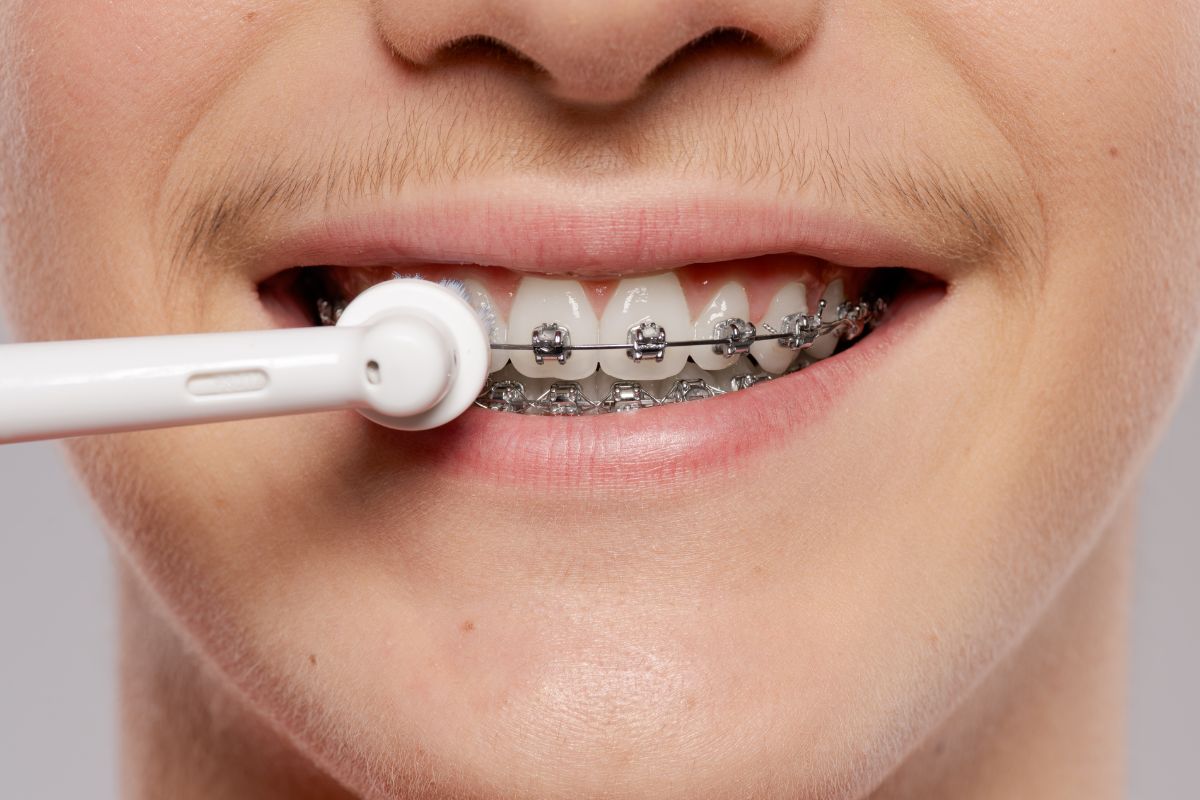
A soft-bristled toothbrush is a good choice for most people. You can use a manual toothbrush or an electric toothbrush, depending on what feels comfortable and works well for you.
Orthodontic toothbrushes with specially designed bristles may also make it easier to clean around brackets.
Angle Your Brush Carefully
Instead of brushing only straight across the front of your teeth, position the bristles at an angle toward the gumline. Then gently brush around the top and bottom edges of each bracket.
Do not forget the surfaces underneath the wire.
Use gentle, short strokes rather than pressing hard. More pressure does not mean cleaner teeth. It can irritate your gums and wear down your toothbrush faster.
Clean Every Tooth Surface
Take your time around each section of your mouth.
Make sure you clean:
- The front of each tooth
- The chewing surfaces
- The inside surfaces
- Around the brackets
- Along the gumline
- The areas between brackets and wires
A quick check in the mirror can help you spot areas you may have missed.
How to Floss With Braces
Flossing can feel tricky when a wire is blocking the usual path, but it is still an important part of your routine.
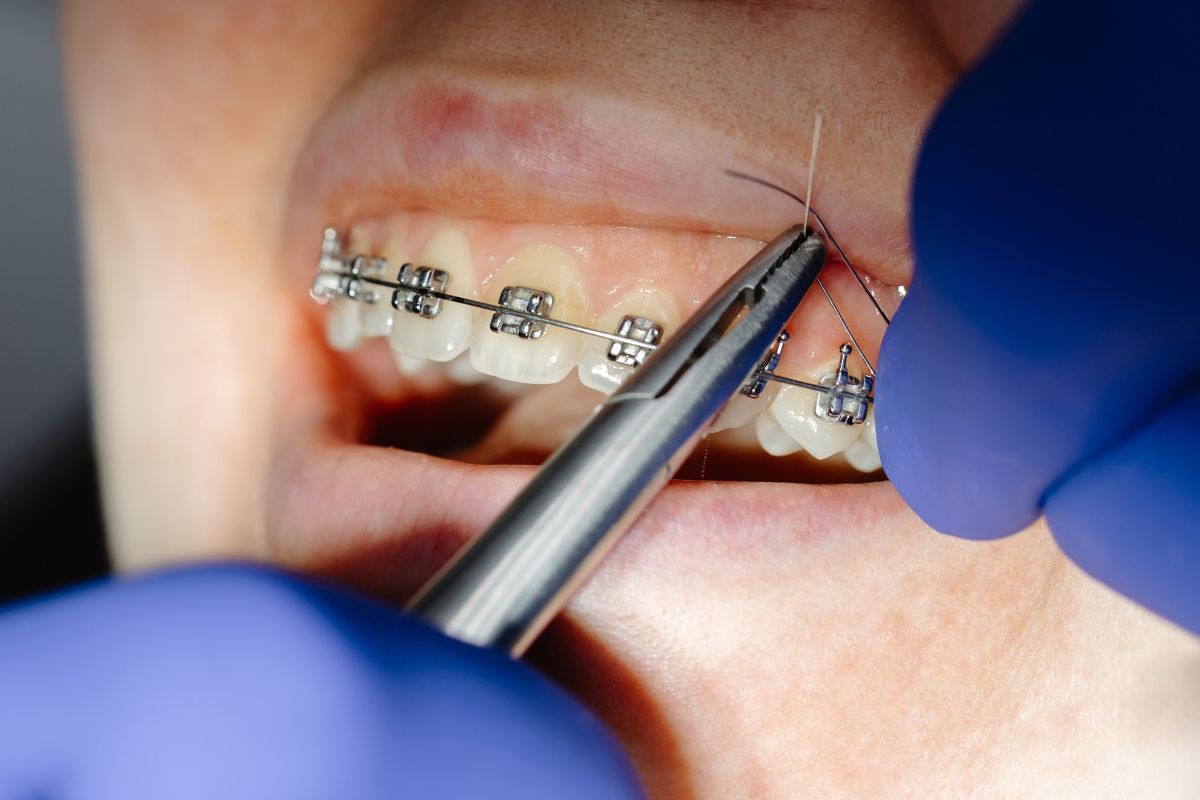
Traditional floss can be used with a floss threader. Thread the floss underneath the orthodontic wire, then gently guide it between your teeth.
You can also ask your orthodontic team about tools designed to make cleaning around braces easier, such as:
- Floss threaders
- Orthodontic floss
- Interdental brushes
- Water flossers
The goal is not to rush. Carefully clean both sides of each tooth and move the floss gently below the gumline.
If regular flossing feels frustrating at first, give yourself time to learn the technique. It usually becomes easier with practice.
What About Cleaning Around the Wire?
Brackets are not the only areas that need attention. Plaque can build up around the wire, especially where it meets the brackets.
An interdental brush can be useful for cleaning these tight spaces. Gently move it between the wire and your teeth without forcing it.
A water flosser may also help flush away loose food particles and debris. However, it should complement—not completely replace—traditional flossing unless your orthodontic provider recommends otherwise.
Make Your Routine Easier
Living in the Dallas area often means busy school schedules, commutes, sports practices, activities, and packed family calendars. Orthodontic care should fit into real life.
Try keeping a small oral-care kit with you. It can include:
- A travel toothbrush
- Fluoride toothpaste
- Floss or a floss threader
- Interdental brushes
- Orthodontic wax if recommended
Having these supplies nearby can make it easier to clean your teeth after lunch, especially when you are away from home.
If you play sports, keep your orthodontic mouthguard handy as well. Ask your orthodontic provider which type is appropriate for your appliances.
Foods and Habits That Can Make Cleaning Harder
Keeping your teeth clean is only part of caring for braces. What you eat can also affect your orthodontic appliances and your ability to maintain good oral hygiene.
Limit or avoid foods that can damage brackets or wires, including very hard, sticky, or chewy foods.
Be cautious with:
- Hard candy
- Chewy caramel
- Ice
- Popcorn kernels
- Sticky snacks
- Very hard nuts
Cutting firm foods into smaller pieces can make them easier to eat without putting unnecessary pressure on your appliances.
When Should You Contact Your Orthodontic Team?
Call your orthodontic office if you notice a broken bracket, loose wire, significant irritation, or an orthodontic problem that does not improve with simple at-home care.
Your orthodontic team can tell you what to do and whether you need to come in for an adjustment.
Regular orthodontic appointments are also important because your provider can monitor your progress and check how your teeth and gums are responding to treatment.
Frequently Asked Questions
Can I use an electric toothbrush with braces?
Yes. An electric toothbrush can be used with braces and may make it easier to clean around brackets and along the gumline. Use a soft brush head and gentle pressure.
Is flossing really necessary with braces?
Yes. Brushing cannot effectively clean every space between your teeth. Flossing helps remove plaque and food particles from areas your toothbrush cannot reach.
What should I do if food gets stuck around my braces?
Rinse your mouth with water and gently brush the area. An interdental brush or water flosser may also help remove trapped food. Avoid using sharp objects to dislodge it.
Can braces make my gums bleed when I brush?
Mild bleeding can sometimes occur when gums are irritated by plaque buildup. Consistent, gentle cleaning is important. If bleeding continues or becomes significant, contact your dental or orthodontic provider.
How can I make cleaning my braces easier?
Use the tools recommended by your orthodontic team and develop a consistent routine. A travel oral-care kit can also help you stay on track when you are at school, work, or out around Dallas.
Keep Your Braces—and Your Teeth—Clean
Orthodontic treatment is a commitment, but caring for your teeth should not feel overwhelming. A thoughtful Brushing and Flossing routine can help protect your teeth, gums, and orthodontic appliances throughout treatment.
If you have questions about caring for your Braces, do not guess or struggle through it alone. The team at Elvebak Orthodontics can help you understand the best way to care for your appliances and keep your treatment moving in the right direction. Schedule an appointment today to get personalized orthodontic guidance.
NEW PATIENTS Are WELCOME!
