

How Do Braces Work? A Simple Guide for Dallas Patients
By Elvebak Orthodontics | October 8, 2026
Ever wondered what is actually happening when braces slowly move your teeth into better positions? Those small brackets and wires may look simple, but together they use carefully controlled pressure to guide teeth where they need to go.
If you or your child is considering orthodontic treatment, understanding the process can make the experience feel much less mysterious. From the first appointment to the final adjustment, every part of treatment has a purpose.
For families considering braces Dallas treatment, learning how braces work can help you feel more prepared before meeting with an orthodontic team.
What Exactly Do Braces Do?
Braces gradually move teeth by applying gentle, consistent pressure. This pressure affects the tissues and bone surrounding the teeth, allowing the teeth to shift into healthier positions over time.
Your orthodontist plans this movement carefully. The goal is not simply to make teeth look straighter. Treatment may also improve how the upper and lower teeth fit together, making everyday activities such as biting and chewing more comfortable.
How Do Braces Move Your Teeth?
Think of your teeth as being supported by living tissue rather than permanently fixed in place.
When braces apply controlled pressure, the bone around a tooth can gradually remodel. This allows the tooth to move through the jaw in the direction planned by your orthodontic provider.
Here is what each part does:
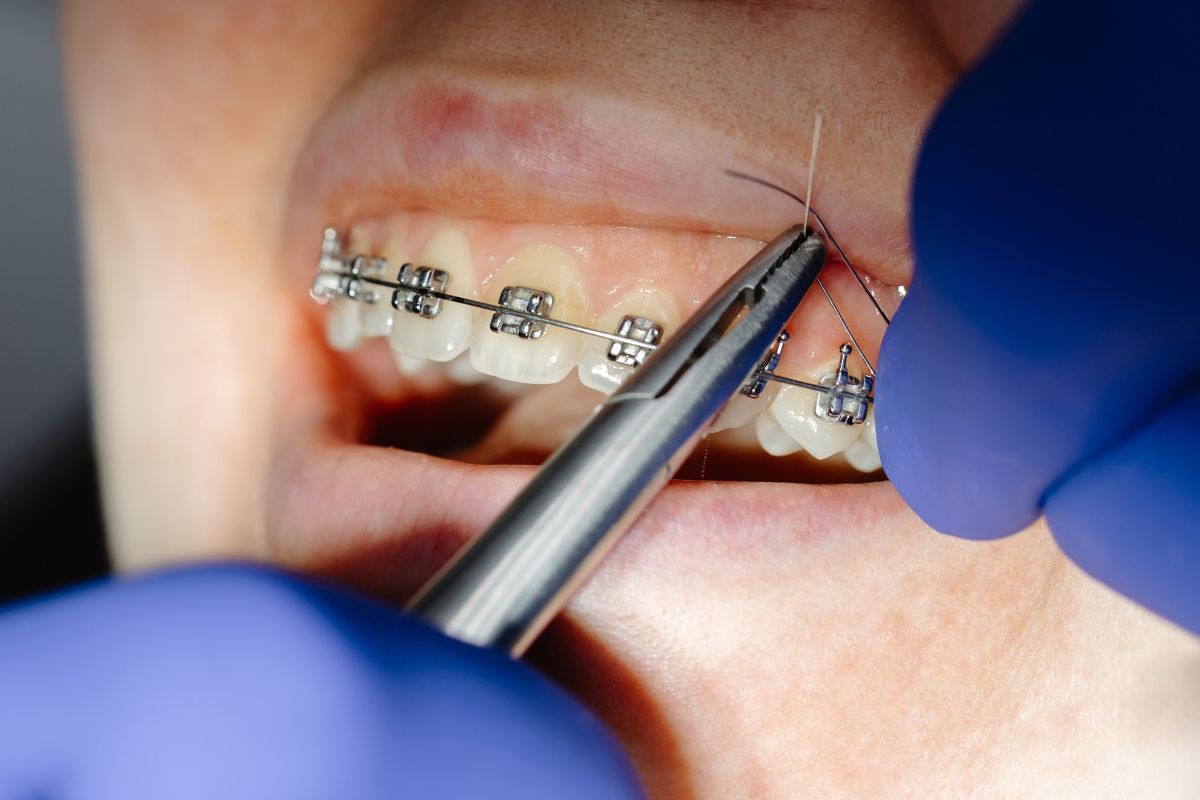
- Brackets: Small attachments bonded to the front of your teeth.
- Archwire: A thin wire that connects the brackets and provides guidance.
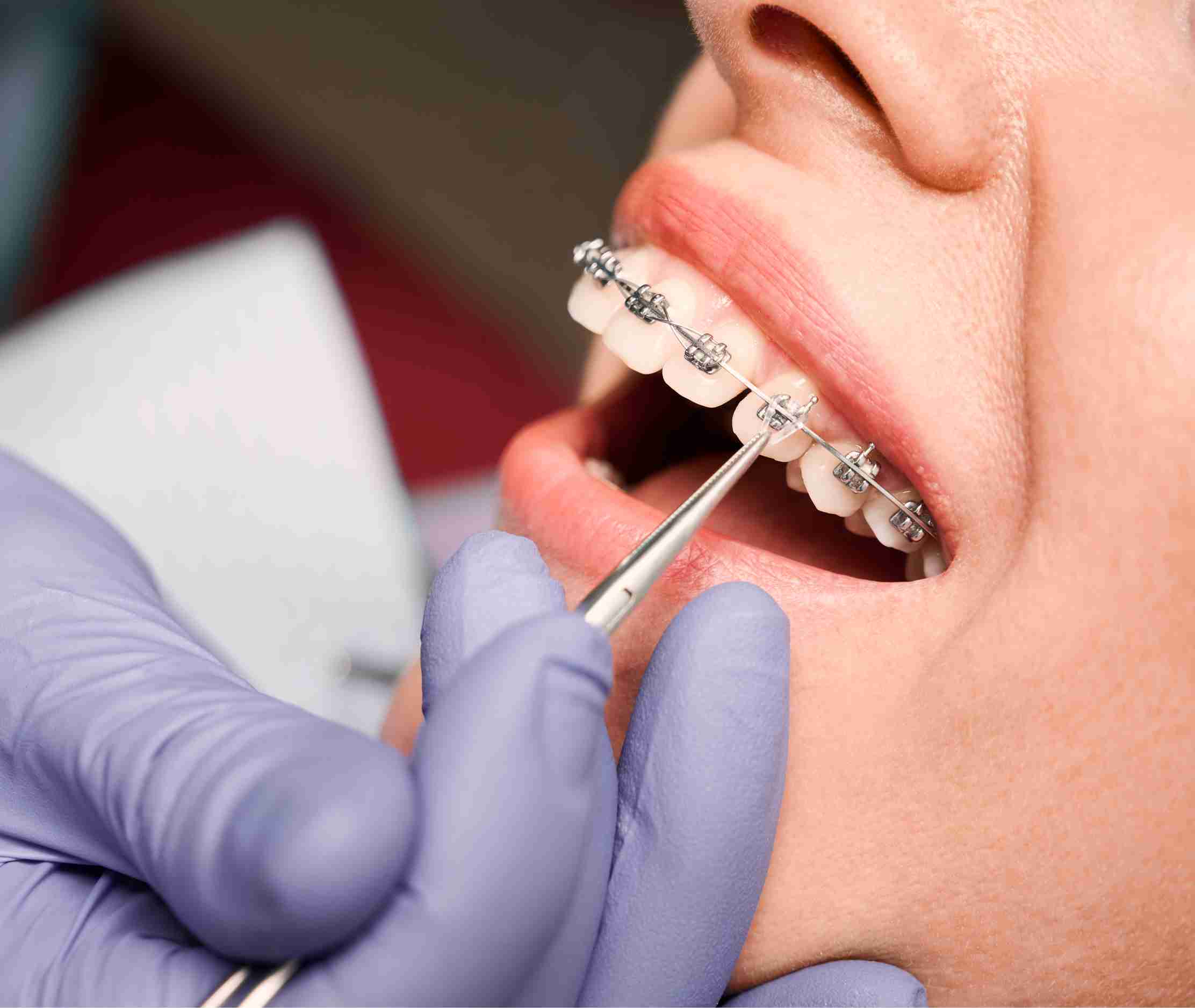
- Elastic bands: These can help hold the wire in place.
- Orthodontic elastics: Some patients use small rubber bands to help correct bite problems.
- Retainers: Worn after active treatment to help keep teeth in their new positions.
The exact combination depends on your bite, tooth alignment, age, and treatment goals.
Why Do Braces Need Adjustments?
You may wonder why you cannot simply have braces placed and leave them alone until your teeth are straight.
The answer is controlled movement.
During follow-up visits, your orthodontic team checks how your teeth are responding. The wire or other components may be adjusted to continue guiding your teeth toward their planned positions.
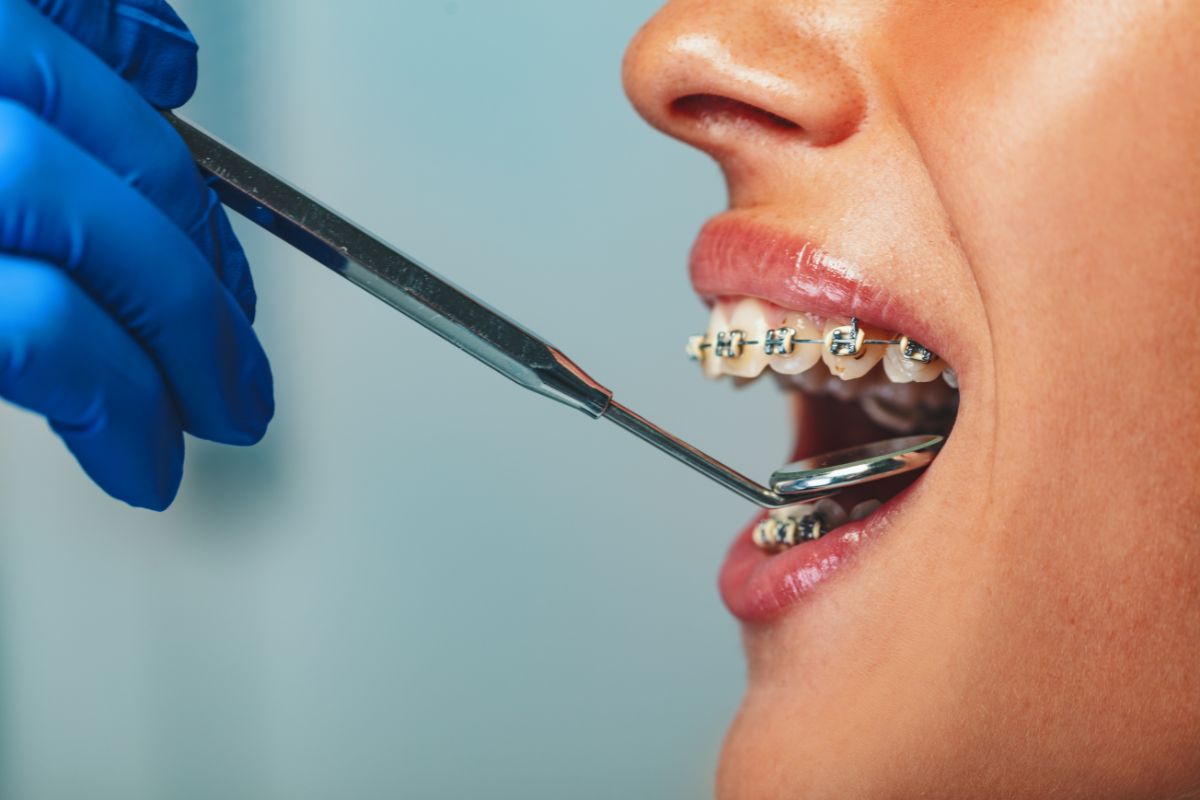
These appointments also give your provider an opportunity to check your oral hygiene, discuss any discomfort, and address questions you may have.
What Does Wearing Braces Feel Like?
Braces should not constantly hurt, but some tenderness can occur, particularly after placement or an adjustment.
You might notice:
- Mild pressure around your teeth
- Temporary soreness while chewing
- Irritation from a bracket or wire
- Increased sensitivity for a short period
Soft foods can be easier to eat when your teeth feel tender. Following the care instructions provided by your orthodontic team can also make the adjustment period easier.
If pain is severe, continues longer than expected, or is caused by a broken wire or bracket, contact your orthodontic office rather than trying to fix the problem yourself.
What Can Braces Correct?
Braces can be used to address several alignment and bite concerns. Depending on the patient, treatment may help with:
- Crowded teeth
- Gaps between teeth
- Crooked teeth
- Overbites
- Underbites
- Crossbites
- Certain bite and alignment problems
Every case is different. An orthodontic evaluation is the best way to determine whether braces are appropriate and what treatment may involve.
Braces and Daily Life in Dallas
Living in Dallas often means balancing school, work, sports, family activities, and a busy social schedule. Orthodontic treatment needs to fit into that routine.
If you play sports, ask your orthodontic provider about appropriate mouth protection. If you enjoy foods such as barbecue, crunchy tacos, popcorn, or hard snacks, you may need to modify what you eat during treatment to protect your brackets and wires.
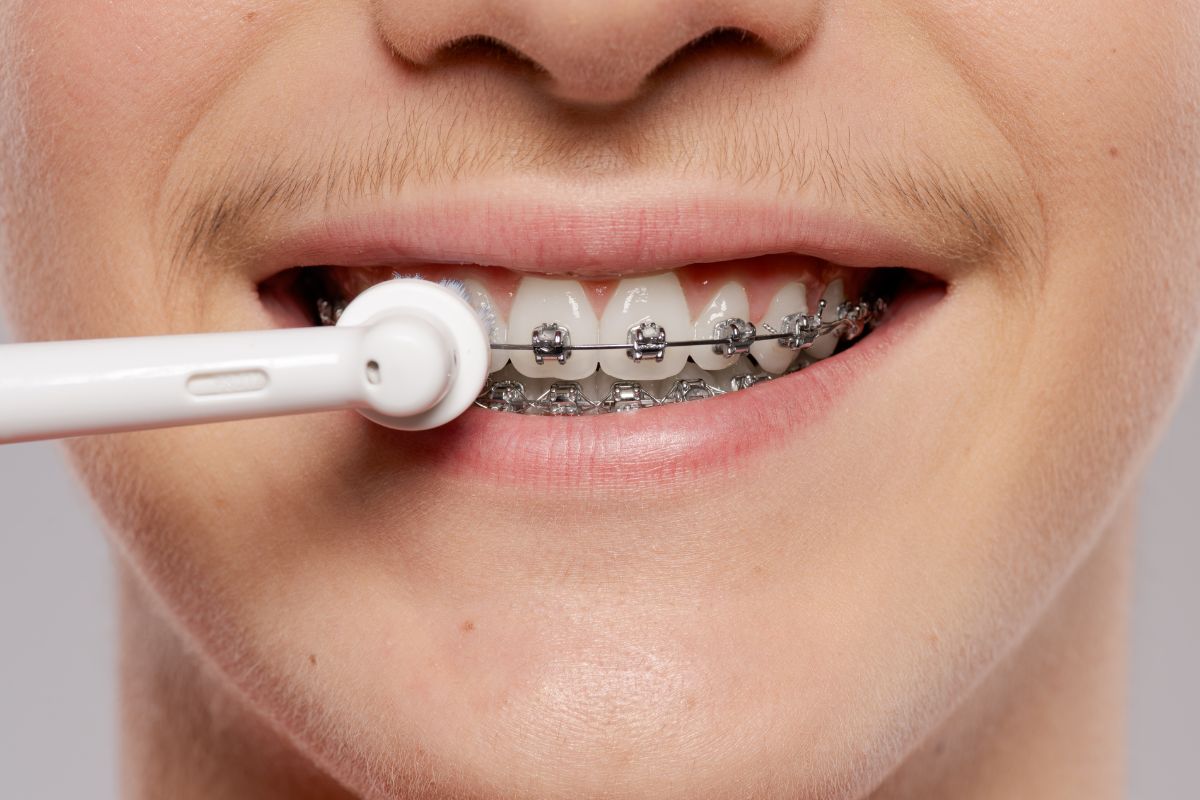
Good oral hygiene is also especially important. Food can become trapped around brackets, making careful brushing and cleaning between teeth an important part of your daily routine.
How Can You Take Care of Your Braces?
A little extra attention at home can go a long way.
Try these simple habits:
- Brush carefully around every bracket.
- Clean between teeth as recommended by your orthodontic team.
- Limit hard, sticky, and overly chewy foods.
- Wear orthodontic elastics exactly as instructed.
- Keep scheduled appointments.
- Contact your orthodontic office if a bracket or wire breaks.
- Continue regular dental checkups during orthodontic treatment.
Good habits help protect your teeth while your braces are doing their job.
What Happens After Braces Come Off?
Getting your braces removed is an exciting milestone, but treatment does not necessarily end there.
Teeth can naturally shift after orthodontic treatment. Retainers help maintain the alignment achieved during treatment. Your orthodontist will explain when and how to wear yours.
Think of retainers as the maintenance phase of your orthodontic journey. Wearing them as instructed can help protect the time and effort you invested in treatment.
When Should You Talk With an Orthodontist?
You do not need to wait until teeth become severely crowded or uncomfortable before seeking an evaluation.
An orthodontic consultation can help identify alignment or bite concerns and explain what treatment options may be appropriate. Parents may also want to have their child’s bite evaluated if they notice crowded teeth, difficulty chewing, mouth breathing, or other unusual dental development.
For Dallas-area families, choosing an office that understands the needs of children, teens, and adults can make orthodontic treatment easier to manage from the first consultation through retention.
Frequently Asked Questions
Do braces hurt when they are first placed?
You may experience pressure or mild soreness after braces are placed or adjusted. This usually improves as your mouth gets used to the treatment.
How long do I need to wear braces?
Treatment time varies from person to person. Your orthodontist considers tooth movement, bite concerns, age, and treatment complexity when developing an individual plan.
Can I eat normally with braces?
You can enjoy many of your usual foods, but hard, sticky, and very chewy foods may damage brackets or wires. Your orthodontic team can provide specific food recommendations.
Can adults get braces?
Yes. Orthodontic treatment is not limited to children and teenagers. Adults can also benefit from treatment for crooked teeth, spacing, and bite concerns when they are appropriate candidates.
What happens if a bracket or wire breaks?
Contact your orthodontic office for guidance. Avoid pulling or cutting the wire yourself unless your orthodontic provider specifically tells you how to handle the situation.
Ready to Understand Your Treatment Options?
Braces may look like a collection of brackets and wires, but there is a carefully planned process behind every adjustment and every gradual tooth movement. Once you understand how that process works, orthodontic treatment can feel much easier to approach.
If you have been wondering whether orthodontic treatment is right for you or your child, Elvebak Orthodontics can help you understand your options and what to expect. Schedule an appointment today and take the first step toward a healthier, more balanced bite.
NEW PATIENTS Are WELCOME!
