

What to Expect During Your First Week With Braces: A Simple Guide for Dallas Patients
By Elvebak Orthodontics | October 16, 2026
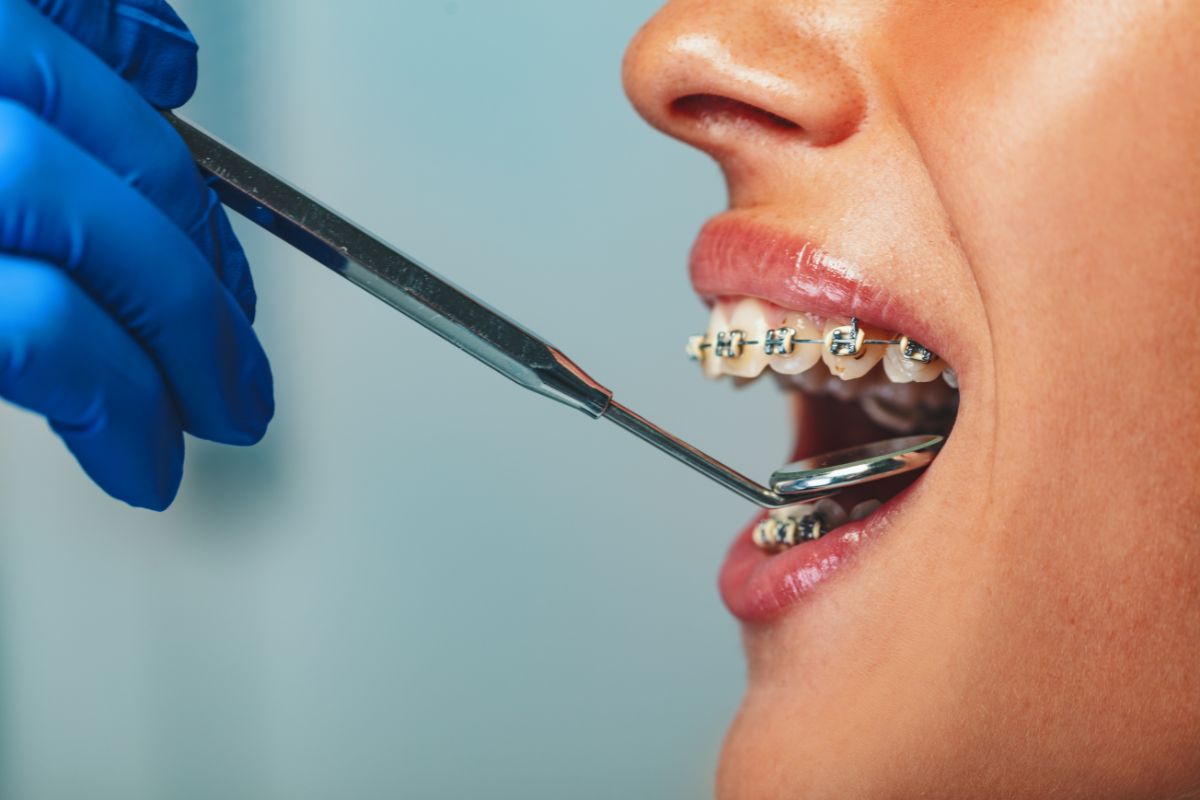
Getting braces is a big step, but the first week does not have to feel overwhelming. You may notice some pressure, tenderness, or changes in the way you eat and clean your teeth. That is all part of your mouth adjusting to something new.
The good news? Most of these changes are temporary. Once you know what to expect and how to care for your teeth, the transition can feel much easier.
For families considering braces Dallas treatment, understanding those early days can make the entire orthodontic experience feel more comfortable and manageable.
What Does the First Day With Braces Feel Like?
Right after your braces are placed, your teeth may feel tight or slightly unusual. You might notice pressure when biting down, especially around the teeth that are beginning to respond to the orthodontic forces.
Your lips, cheeks, and tongue may also need some time to adjust to the brackets and wires.
Try not to judge the entire treatment experience by the first few hours. Your mouth is simply getting used to a new routine.
Helpful first-day tips
- Choose soft foods that require less chewing.
- Drink plenty of water.
- Follow your orthodontist’s care instructions.
- Use orthodontic wax if a bracket or wire irritates your cheek.
- Avoid repeatedly touching or checking your braces with your tongue.
- Give yourself time to adjust.
Eating May Feel Different
One of the biggest changes during your first week is figuring out what feels comfortable to eat.
You do not necessarily need to completely change your diet. However, choosing softer foods can make eating easier while your teeth are tender.
Good options may include:
- Yogurt
- Scrambled eggs
- Oatmeal
- Pasta
- Soft vegetables
- Smoothies
- Mashed potatoes
- Soups
- Soft fruits
As your mouth adjusts, you can gradually return to more of your usual foods while continuing to avoid foods that could damage your orthodontic appliances.
Hard, sticky, or chewy foods can bend wires or loosen brackets, so it is important to follow the food guidelines provided by your orthodontic team.
Expect Some Tenderness
Mild soreness is common after braces are placed or adjusted. You may notice that your teeth feel tender when chewing.
This does not necessarily mean something is wrong. The teeth are beginning to respond to gentle orthodontic pressure.
If your orthodontist has given you specific recommendations for managing discomfort, follow those instructions. A soft diet, cool drinks, and patience can also make the adjustment period easier.
If pain is severe, continues to worsen, or seems unusual, contact your orthodontic office rather than trying to manage the problem on your own.
Your Cheeks and Lips Need Time to Adjust
Brackets can feel rough against the inside of your cheeks or lips during the first few days.
Orthodontic wax can be helpful when a particular bracket is rubbing against sensitive tissue. Your orthodontist can show you how to apply it correctly.
You may also notice that your lips feel slightly different when talking or smiling. This usually becomes less noticeable as you get accustomed to your braces.
Brushing and Flossing Become Even More Important
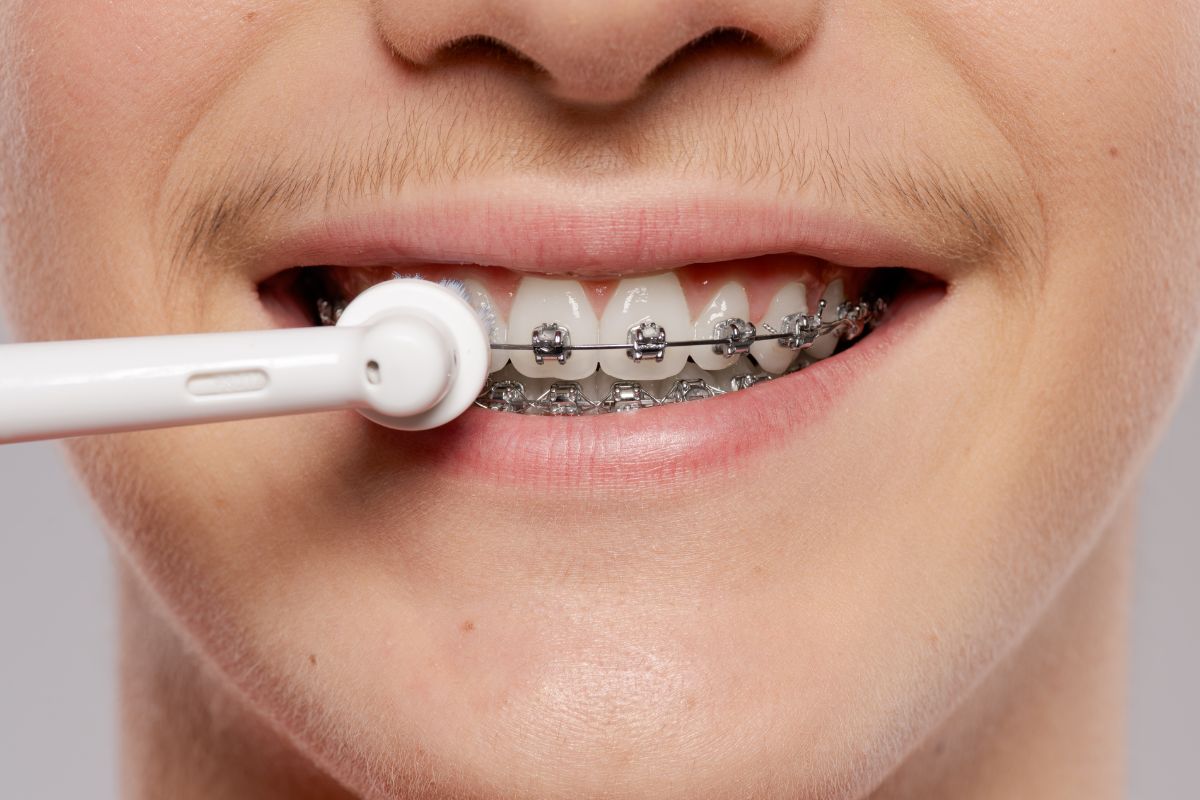
Braces create additional areas where food particles and plaque can collect. Keeping your teeth clean helps protect your gums and enamel throughout treatment.
Take your time when brushing around each bracket. Pay attention to the gumline and areas between your teeth.
Your orthodontist may recommend tools such as:
- Interdental brushes
- Orthodontic floss threaders
- Water flossers
- Fluoride toothpaste
- Soft-bristled toothbrushes
A good daily cleaning routine can make a major difference by the time your braces come off.
What About School, Work, or Daily Life?
You can generally continue your normal routine while wearing braces.
If you are a student in Dallas, you may want to schedule your first appointment at a time that gives you a little breathing room afterward. For adults, planning treatment around work meetings or important events may also make the transition easier.
You might speak a little differently at first or feel more aware of your braces when talking. Most people adjust quickly as they become familiar with the appliances.
When Should You Contact Your Orthodontist?
Not every small annoyance requires an urgent visit, but some problems should be reported.
Contact your orthodontic office if you experience:
- A loose or broken bracket
- A wire that is poking and cannot be managed with wax
- Significant or unusual pain
- An appliance that has come loose
- A dental injury involving your braces
- Swelling or symptoms that concern you
Your orthodontic team can tell you whether you need to come into the office or can safely wait until your scheduled visit.
Making Your First Week Easier
A little preparation can make the adjustment much smoother.
Keep these simple reminders in mind:
- Pack a small orthodontic care kit: Include wax, a toothbrush, toothpaste, and flossing tools.
- Plan soft meals: Having easy-to-eat foods ready can help on days when your teeth feel tender.
- Follow your care instructions: Your orthodontist knows your specific treatment plan.
- Keep appointments: Regular visits allow your treatment progress to be monitored.
- Be patient: Your mouth needs time to adjust to the appliances.
For patients looking for an experienced orthodontist in the Dallas area, choosing an office that explains each stage of treatment can make the experience less stressful.
Frequently Asked Questions
Is it normal for braces to hurt during the first week?
Some tenderness or pressure is common while your teeth and mouth adjust. If discomfort is severe, persistent, or unusual, contact your orthodontic office for advice.
What can I eat after getting braces?
Soft foods such as pasta, yogurt, eggs, oatmeal, soups, and soft vegetables can be easier to eat during the adjustment period. Avoid hard, sticky, and chewy foods that may damage your braces.
How long does it take to get used to braces?
Everyone adjusts differently. The first few days may feel the most noticeable, but many patients become much more comfortable as they learn how their braces feel and how to care for them.
Can I play sports with braces?
Yes, but protecting your mouth is important. Ask your orthodontist about wearing a properly fitted mouthguard during sports or activities where your mouth could be injured.
What should I do if a bracket or wire breaks?
Do not pull on the appliance or try to make major repairs yourself. Use orthodontic wax if a loose wire is irritating your cheek, then contact your orthodontic office for guidance.
Your First Week Is Just the Beginning
The first week with braces may come with a few adjustments, but it is also the start of progress toward a healthier, more aligned bite. Once you settle into your new routine, brushing, eating, and caring for your appliances can become second nature.
If you are considering orthodontic treatment or have questions about what life with braces will be like, Elvebak Orthodontics is here to help. Schedule an appointment today and take the first step toward personalized orthodontic care in the Dallas area.
NEW PATIENTS Are WELCOME!
