

Why Do My Braces Hurt When It’s Cold Out?

By Elvebak Orthodontics | January 6, 2026
If you’ve ever experienced discomfort or pain in your braces during the colder months, you’re not alone. Many individuals with braces wonder why their braces seem to hurt more when it’s cold outside. While the cold weather doesn’t directly affect the aligners themselves, it can trigger sensitivity in your teeth and gums.
In this blog, we’ll explore why conventional aligners hurt in the cold, what’s happening inside your mouth, and how you can ease the discomfort. If you’re experiencing this issue, we’ll also share how orthodontists can help.
How Teeth and Braces React to Cold Temperatures
Teeth are not solid, lifeless structures. Inside each tooth is a living center called the pulp, which contains nerves and blood vessels. When exposed to cold air, these nerves can react, sending signals to the brain that are felt as sensitivity or pain.
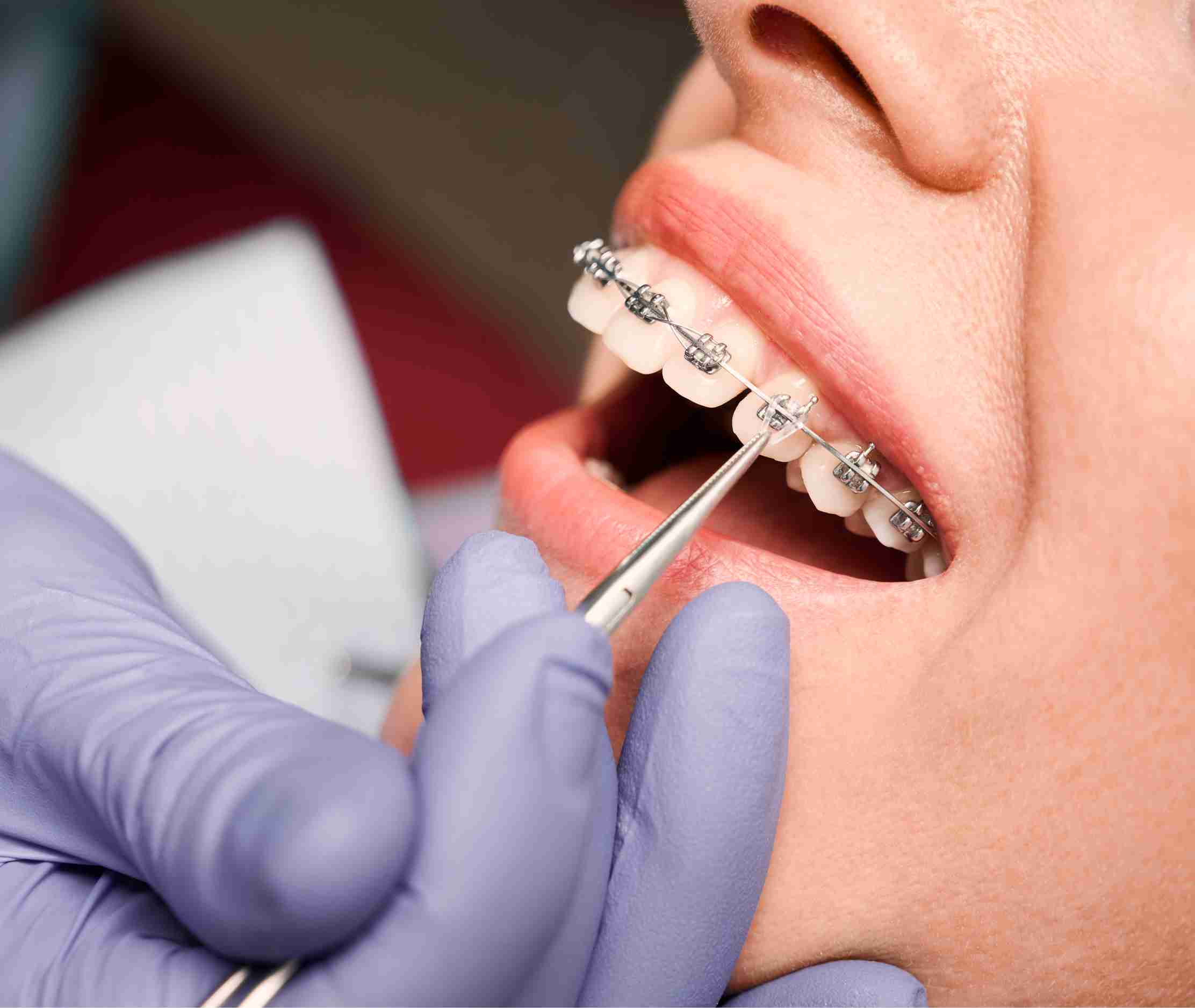
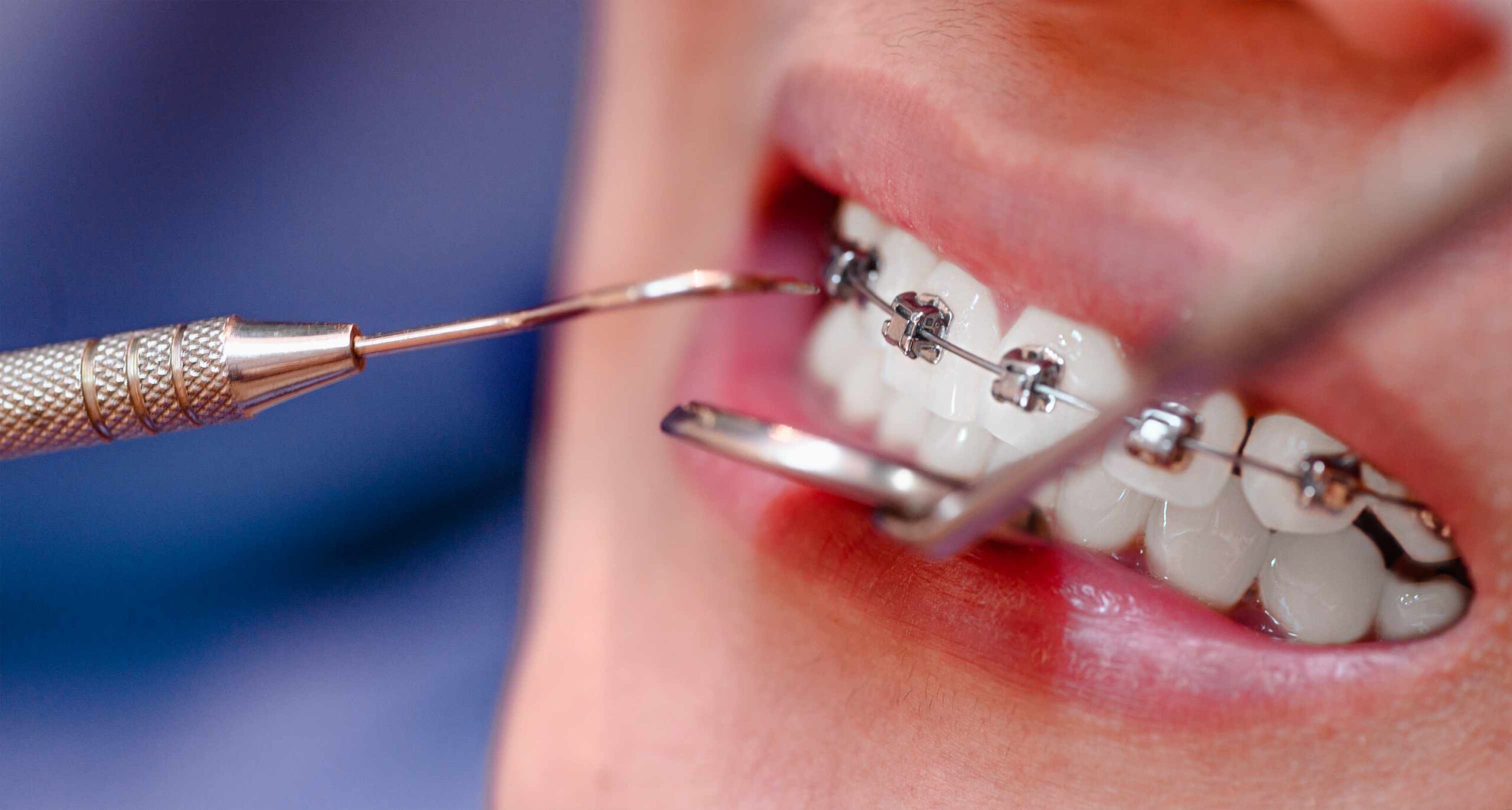
Braces can amplify this sensation. The brackets and wires apply gentle, consistent pressure to guide teeth into better alignment. When cold temperatures cause the metal components to contract slightly or the nerves inside the teeth to react, that pressure can feel more noticeable.
How Can Patients with Braces Manage Cold Weather Sensitivity?
If you’re sensitive to cold weather, there are several ways to manage discomfort and ease pain. Start by avoiding icy foods and drinks, as they can aggravate tooth sensitivity. Opt for room temperature beverages and foods when possible. Additionally, wearing a scarf or face mask when going outdoors can help keep cold air from directly contacting your teeth.
Your orthodontist may also recommend using special wax to prevent irritation from metal brackets. If the discomfort becomes more severe, your orthodontist may adjust the tension on your aligner or replace the wires to provide greater comfort.
What Are the Best Ways to Prevent Braces Sensitivity in Cold Weather?
Preventing sensitivity during cold weather involves taking a few proactive steps. First, try to maintain a consistent routine of brushing and flossing your teeth, paying extra attention to your gums. Keeping your gums healthy can help reduce irritation and sensitivity.
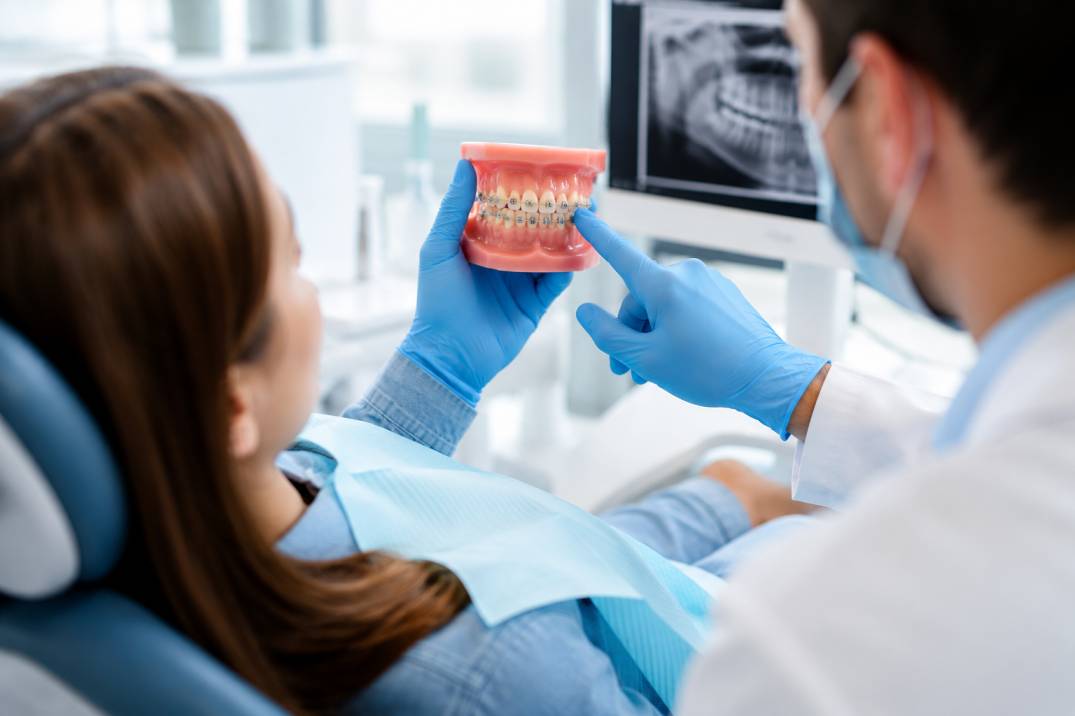
Additionally, if you’re experiencing discomfort in the cold, schedule a consultation with your orthodontist. They may suggest adjustments to your aligners or other treatments that can help minimize sensitivity. Regular checkups can also ensure that your braces are fitting properly and that no other underlying issues are contributing to the discomfort.
Can Professional Help Relieve Pain Due to Braces in Cold Weather?
If cold weather sensitivity becomes persistent or unbearable, it’s important to consult your orthodontist. Professionals specializing in aligners can provide solutions for reducing discomfort and offer advice on managing sensitivity during colder months. They can also recommend customized wax or gels that help to soothe sore spots on your gums and teeth.
Additionally, if you’re experiencing severe pain in your braces, your orthodontist may adjust the tension of your orthodontic appliances or change the configuration to alleviate pressure points. These adjustments can help your teeth adjust more comfortably to the treatment process, even during colder weather.
When Should You Contact Your Orthodontist for Braces Discomfort?
If cold-weather sensitivity continues to bother you or causes significant discomfort, it may be time to reach out to your orthodontist. Persistent pain, soreness, or issues with the fit of your aligners may indicate the need for an adjustment. If the cold weather is exacerbating the discomfort, your orthodontist may suggest specific solutions to reduce pain, such as adjustments to the braces or additional treatments.
In Dallas, orthodontists are well-equipped to help you manage the discomfort caused by cold weather. Whether it’s a simple adjustment or advice on alleviating pain, your orthodontist can provide valuable guidance. Braces in Dallas are designed to gently move teeth into better positions, improving bite balance and overall oral health over time.
Staying Comfortable with Braces During Winter Months
If you’re experiencing discomfort with your braces, don’t let the cold weather make it worse. At Elvebak Orthodontics, we take an educational, patient-first approach to orthodontic care, helping you understand how braces interact with everyday changes like temperature shifts. Our team is committed to clear guidance, comfort-focused care, and long-term oral health support. If you have questions about braces or want personalized advice, visit our dental clinic today and let us help you move forward with confidence.
Frequently Asked Questions
Can cold weather cause braces to hurt?
Yes, cold weather can make your teeth and gums more sensitive, leading to discomfort with braces.
Why do my teeth hurt more in cold weather with braces?
Cold temperatures can cause the teeth and gums to contract, increasing pressure on the braces and leading to sensitivity.
How can I relieve braces pain caused by cold weather?
Use wax to cover brackets, avoid cold foods and drinks, and consult your orthodontist for adjustments.
Are braces more painful in the winter?
Braces can feel more uncomfortable in colder weather due to the contraction of teeth and braces.
What can an orthodontist do for braces pain caused by cold?
Your orthodontist can adjust your braces to reduce discomfort and provide solutions for easing pain.
Can cold weather cause gum irritation with braces?
Yes, cold air can irritate your gums, which can worsen the sensitivity caused by braces.
NEW PATIENTS Are WELCOME!
