

Can Braces Cause Mouth Sores?
By Elvebak Orthodontics | May 21, 2026
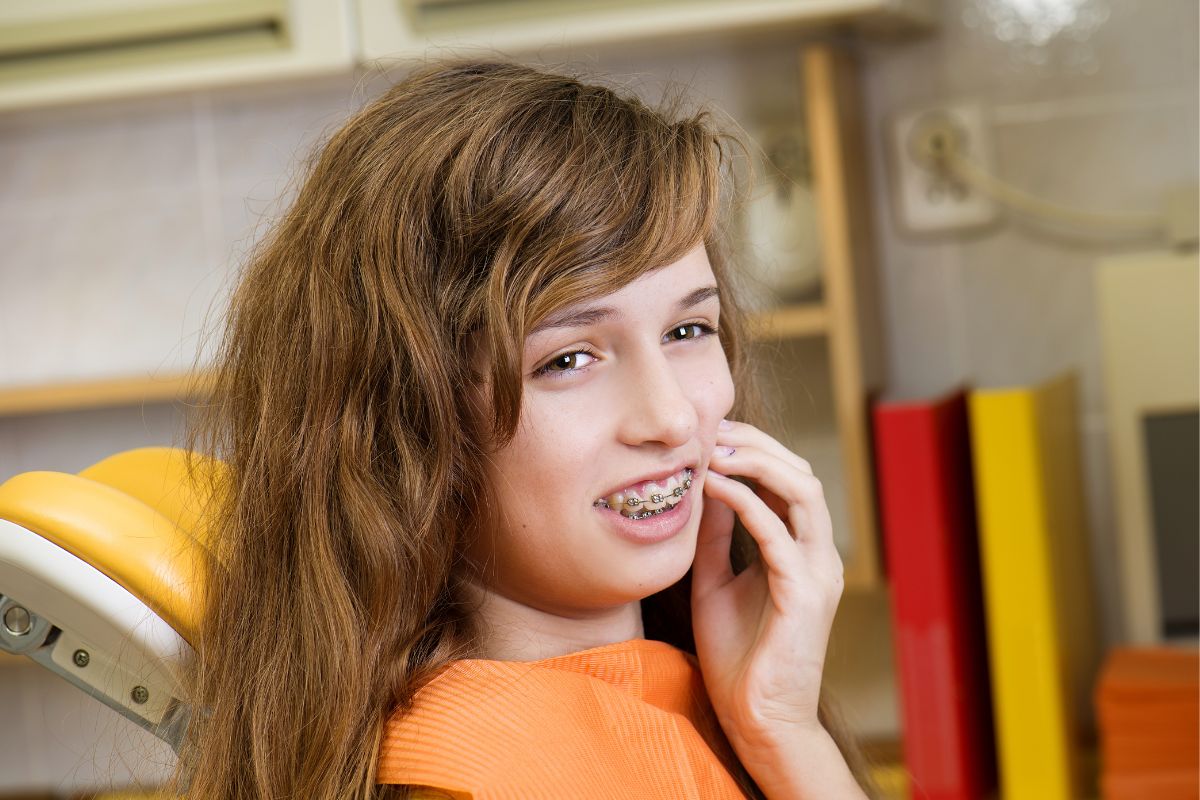
Starting braces treatment is an exciting step toward improving your smile, but many patients notice small changes in their mouth during the adjustment period. One common concern is the appearance of mouth sores after getting braces. These sores can feel uncomfortable, especially when eating, talking, or brushing, leaving many patients wondering whether this is a normal part of treatment.
We will learn why mouth sores sometimes occur during braces treatment, what causes the irritation, and how patients can manage discomfort as their mouth adjusts. Understanding what is normal can help patients feel more confident and prepared throughout orthodontic treatment.
Why Do Braces Sometimes Cause Mouth Sores?
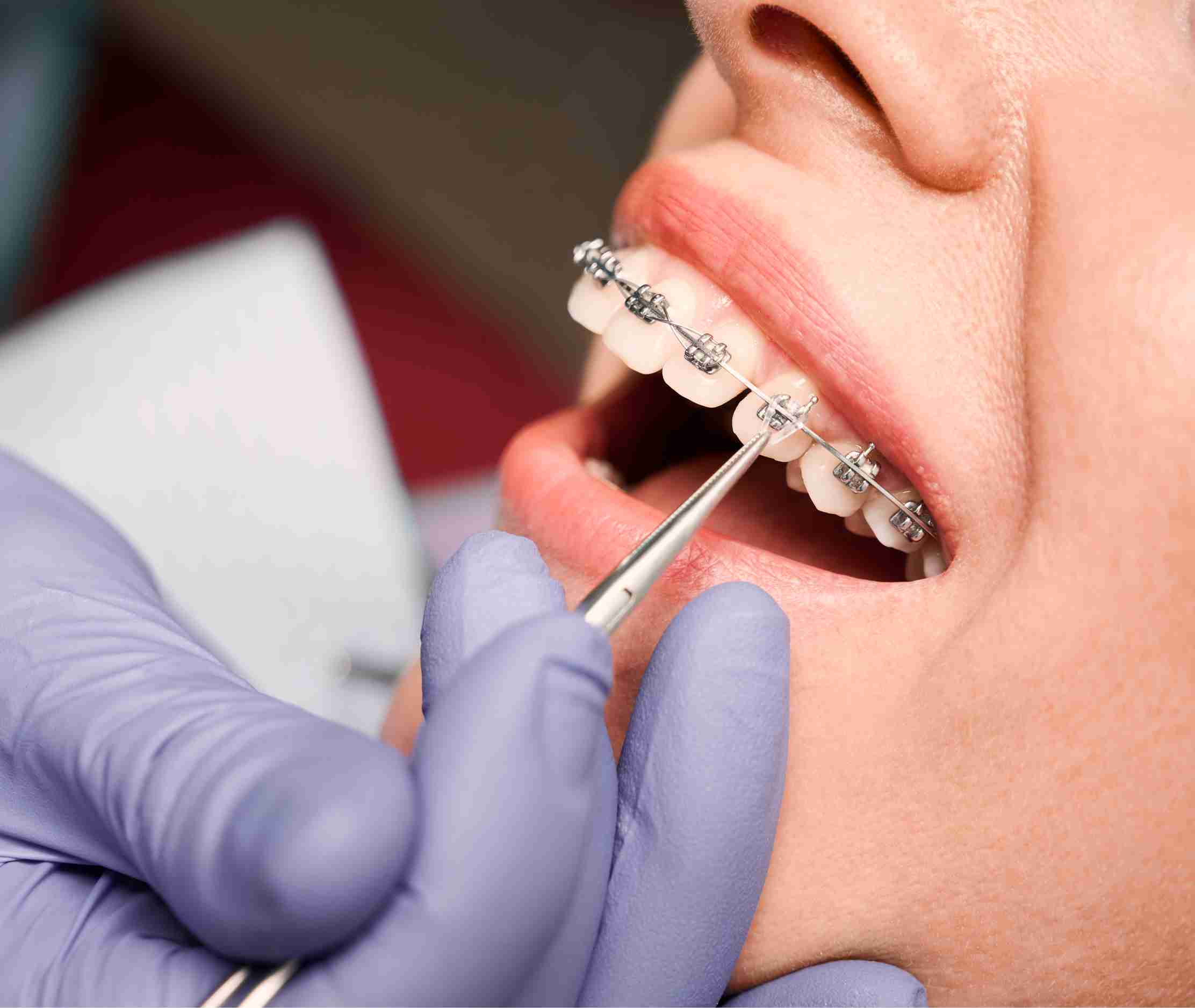
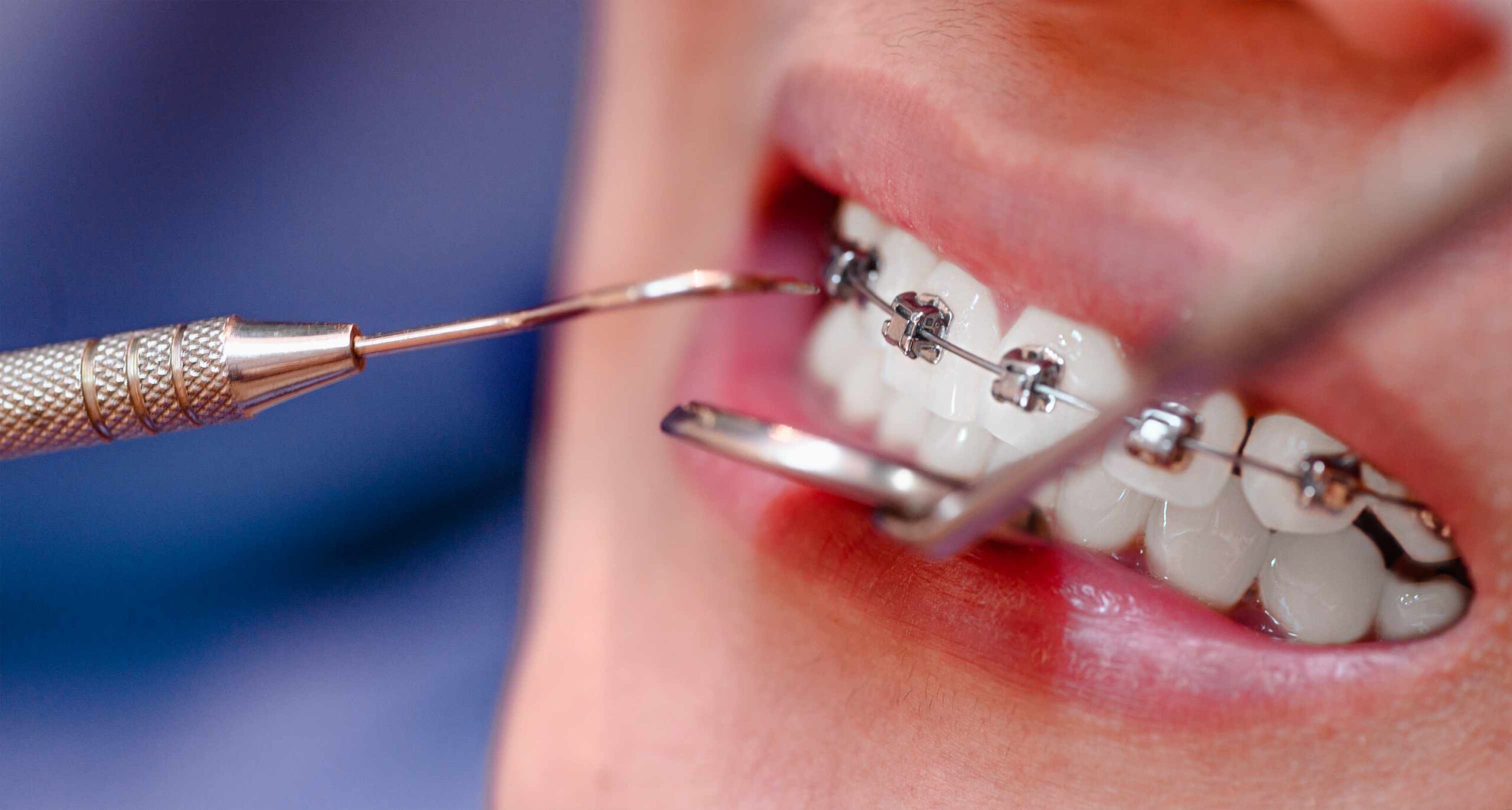
Braces contain brackets, wires, and other orthodontic components that rest against the inside of the lips and cheeks. During the early stages of treatment, these areas may not yet be used to the extra friction and pressure.
As the soft tissues inside the mouth rub against brackets or wires, irritation can develop. This repeated friction may lead to small sores or tender spots. For many patients, these sores are temporary and improve as the mouth adapts to braces.
Are Mouth Sores Normal With Braces?
Yes, mild mouth sores are relatively common, especially during the first few weeks of braces treatment. Patients may also notice irritation after orthodontic adjustments because teeth and braces continue to shift throughout treatment.
The good news is that these sores are usually not serious and often improve with time and proper care.
Common Symptoms Patients May Notice
- Small ulcers inside the cheeks or lips
- Tenderness near brackets or wires
- Mild swelling or redness
- Discomfort while eating or speaking
- Sensitivity when brushing teeth
Although mouth sores can feel frustrating, they are often part of the adjustment process during orthodontic treatment.
Why Do Braces Irritate the Inside of the Mouth?
The inside of the mouth contains delicate tissue that can become irritated when constantly rubbed. Brackets and wires may create friction in areas that are not yet accustomed to contact.
Factors That May Increase Irritation
- Sharp or loose wires
- Broken brackets
- Dry mouth
- Poor oral hygiene
- Frequently touching the braces with the tongue
- Eating hard or crunchy foods
Patients visiting our office for braces treatment in Dallas often have questions about mouth irritation, as discomfort can vary from person to person depending on tooth movement and oral sensitivity. Our team helps patients understand what is normal during treatment while providing guidance on managing irritation, protecting the inside of the mouth, and maintaining comfort throughout the braces process.
Can Poor Oral Hygiene Make Mouth Sores Worse?
Yes, poor oral hygiene may increase irritation and slow the healing process. Food particles and plaque can collect around braces more easily, leading to bacterial buildup and inflammation inside the mouth.
Maintaining healthy oral hygiene habits can help reduce irritation and support better overall oral health throughout orthodontic treatment.
Helpful Oral Hygiene Habits During Braces Treatment
- Brushing carefully around brackets and wires
- Flossing consistently
- Drinking plenty of water
- Avoiding sugary snacks and drinks
- Keeping braces free of trapped food particles
A clean oral environment can help reduce the risk of irritation and improve patient comfort.
How Long Do Mouth Sores From Braces Last?
For many patients, mouth sores improve within a few days to one or two weeks as the tissues inside the mouth adjust to braces. However, irritation may occasionally return after tightening appointments or adjustments.
The severity and duration of sores often depend on individual sensitivity and oral care habits. Patients should contact their orthodontic team if sores become unusually painful, swollen, or persistent.
Ways to Reduce Braces-Related Irritation
There are several simple ways patients can help minimize discomfort caused by braces.
Tips for Managing Mouth Sores
- Use orthodontic wax on irritating brackets
- Rinse with warm salt water
- Stay hydrated throughout the day
- Avoid spicy or acidic foods temporarily
- Eat softer foods during periods of soreness
- Avoid picking at sores with fingers or tongue
These habits may help soothe irritated tissue while the mouth continues adjusting to braces.
When Should You Contact Your Orthodontist?
Occasional irritation is common, but some situations may require professional attention. Patients should contact their orthodontic office if:
- A wire feels sharp or broken
- Sores become unusually large
- Swelling increases significantly
- Pain interferes with eating or sleeping
- Irritation does not improve over time
A patient-centered orthodontic approach focuses on both treatment progress and patient comfort. Addressing concerns early can help prevent additional irritation and improve the overall treatment experience.
Protect Your Smile and Stay Comfortable Throughout Treatment
Adjusting to braces can take time, but understanding what to expect can make the process feel much easier. Mild mouth sores are often temporary and can usually be managed with proper oral hygiene, healthy habits, and professional guidance. At Elvebak Orthodontics, our team is committed to helping patients feel comfortable, informed, and supported throughout every stage of braces treatment. We focus on high-quality, patient-centered orthodontic care while helping patients maintain healthy smiles and better oral health during treatment. If you have concerns about irritation, soreness, or braces discomfort, schedule an appointment today and let our team help you stay confident and comfortable throughout your orthodontic journey.
NEW PATIENTS Are WELCOME!
