

Why Do My Teeth Feel Straight, But My Bite Still Doesn’t Feel Right?
By Elvebak Orthodontics | July 20, 2026
Many people assume that if their teeth look straight, their bite must be healthy too. Unfortunately, that’s not always the case.
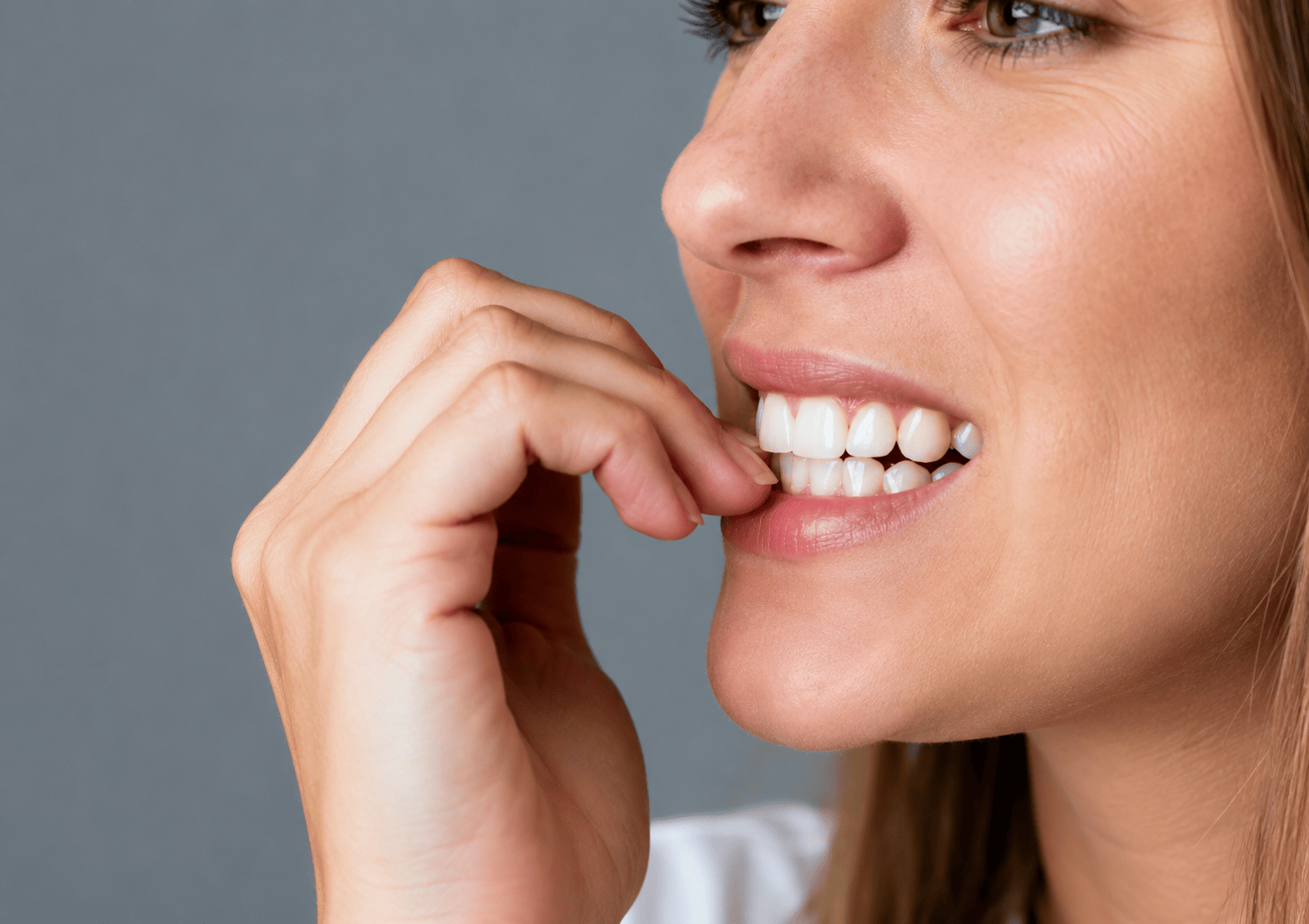
Your smile may appear perfectly aligned, yet you might notice something doesn’t feel right when you chew, bite into food, or even close your mouth. Maybe one side of your teeth touches first, your jaw feels tired after meals, or your bite simply feels “off.”
These symptoms can indicate an underlying bite issue that isn’t always visible in the mirror. While the problem may seem minor today, ignoring it could lead to uneven tooth wear, jaw discomfort, or damaged teeth over time. Understanding why your bite feels different is the first step toward protecting your long-term oral health.
Straight Teeth Don’t Always Mean a Healthy Bite
A beautiful smile is only one part of good orthodontic health.
Your bite, also called your occlusion, is the way your upper and lower teeth come together. Even if your teeth appear straight, they may not fit together properly.
A bite that isn’t balanced can place excessive pressure on certain teeth and jaw muscles every time you chew.
Some common signs include:
- Your teeth touch on one side before the other.
- Biting into food feels uncomfortable.
- Your jaw becomes tired while eating.
- You frequently bite your cheeks or tongue.
- One tooth feels like it hits harder than the rest.
- Your teeth appear straight but don’t feel comfortable together.
These symptoms often develop gradually, making them easy to overlook.
Why Doesn’t My Bite Feel Right?
Several orthodontic problems can affect how your teeth fit together.
Minor Bite Misalignment
Even a small imbalance can change how your teeth meet when you close your mouth.
Because biting forces aren’t evenly distributed, certain teeth absorb more pressure than others.
Teeth Shifting Over Time
Teeth naturally move throughout life.
Even people who had braces years ago may notice subtle changes if they no longer wear their retainers consistently.
Overbite, Underbite, or Crossbite
Some bite problems aren’t immediately noticeable when you smile.
However, these conditions can affect:
- Chewing efficiency
- Jaw comfort
- Tooth wear
- Overall bite stability
Teeth Grinding (Bruxism)
Grinding or clenching your teeth, especially during sleep, can gradually change your bite and wear down certain teeth faster than others.
When Should You Visit an Orthodontist in Dallas, TX?
If your bite consistently feels uncomfortable, don’t assume it’s something you’ll simply get used to.
Visiting an orthodontist in Dallas, TX, can help determine whether your symptoms are caused by bite misalignment, tooth movement, or another orthodontic concern.
Consider scheduling an orthodontic evaluation if you experience:
- Difficulty chewing certain foods
- Jaw soreness after meals
- Teeth that don’t seem to fit together naturally
- Frequent cheek or tongue biting
- Uneven tooth wear
- Teeth shifting after previous orthodontic treatment
Early evaluation often prevents more significant problems later.
What Can Happen If Bite Problems Are Ignored?
A bite that feels “slightly off” today can create bigger issues over time.
Potential complications include:
- Excessive enamel wear
- Chipped or cracked teeth
- Jaw discomfort
- Increased tooth sensitivity
- Gum recession around overloaded teeth
- Difficulty chewing comfortably
According to the American Association of Orthodontists (AAO), correcting bite problems isn’t only about improving appearance; it also helps support healthier tooth function and long-term oral health.
How Orthodontic Treatment Can Improve Your Bite
Modern orthodontics focuses on more than straightening teeth.
The goal is to create a bite that functions as well as it looks.
Depending on your needs, treatment may include:
| Bite Concern | Possible Orthodontic Solution |
| Minor tooth movement | Clear Aligners |
| Moderate bite problems | Braces |
| Teeth shifting after treatment | Retainers |
| Overbite or Crossbite | Comprehensive Orthodontic Treatment |
| Uneven tooth contact | Bite Adjustment Through Orthodontics |
Every treatment plan is personalized after a thorough orthodontic evaluation.
Today’s Orthodontic Treatment Is More Comfortable Than Ever
Many adults hesitate to schedule an orthodontic consultation because they assume treatment will be lengthy or uncomfortable.
Fortunately, orthodontic technology has advanced significantly.
Depending on your individual needs, treatment options may include:
- Clear Aligners
Nearly invisible aligners gradually move teeth while offering flexibility for eating and brushing.
- Traditional Braces
Today’s braces are smaller, more comfortable, and more efficient than previous generations.
- Retainer Therapy
Sometimes minor tooth movement can be corrected without comprehensive treatment, particularly if changes are detected early.
An orthodontic evaluation helps determine which option is appropriate for your bite.
Don’t Ignore a Bite That Doesn’t Feel Right
Your bite should feel comfortable every time you eat, speak, or smile.
If your teeth look straight but something still feels “off,” your mouth may be telling you that your bite isn’t functioning the way it should. The earlier bite concerns are identified, the easier they are often to correct.
At Texas Braces, our experienced team helps patients of all ages achieve healthy, functional bites, not just straighter smiles. If you’ve noticed discomfort while chewing or changes in the way your teeth fit together, schedule an appointment with an orthodontist in Dallas, TX. We’re proud to provide personalized orthodontic care for families throughout Dallas, Plano, and surrounding communities, helping patients enjoy smiles that look great and function comfortably for years to come.
Frequently Asked Questions
Why do my teeth feel straight but my bite feels off?
Even straight teeth can have bite alignment issues that affect how your upper and lower teeth come together.
Can braces or clear aligners fix bite problems?
Yes. Orthodontic treatment can improve bite alignment while also enhancing the appearance of your smile.
Is an uneven bite harmful?
Over time, an uneven bite can contribute to tooth wear, jaw discomfort, chipped teeth, and chewing difficulties.
Can my bite change as I get older?
Yes. Natural tooth movement, teeth grinding, and inconsistent retainer use can all change your bite over time.
When should I see an orthodontist in Dallas, TX?
If your bite feels uncomfortable, your teeth don’t fit together properly, or you notice jaw discomfort while chewing, schedule an orthodontic evaluation.

NEW PATIENTS Are WELCOME!
