

Which Teeth Move First With Invisalign?
By Elvebak Orthodontics | August 29, 2025
When considering orthodontic treatment, one of the most common questions patients have is how teeth actually move with aligners. Invisalign has become a trusted solution for people who want a discreet and effective way to straighten their teeth. If you’re considering Invisalign, understanding the process of tooth movement can give you more confidence in the treatment and what to expect along the way.
How Invisalign Works
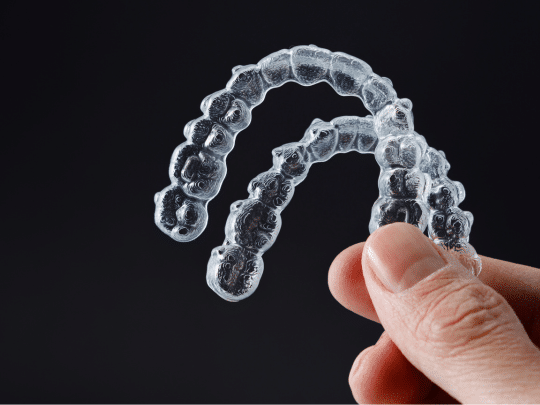
Invisalign uses a series of custom-made, clear aligners designed to gradually shift your teeth into their desired positions. Each aligner is slightly different, applying gentle but consistent pressure to guide teeth into place. Over time, these small movements lead to a more aligned and healthy smile.
While it may seem like all the teeth move at once, Invisalign in plano actually follows a carefully planned sequence. With this advanced treatment, our team is dedicated to guiding patients through a smooth and effective journey, helping them understand which teeth move first and why patience and compliance are key to achieving lasting results.
Which Teeth Usually Move First?
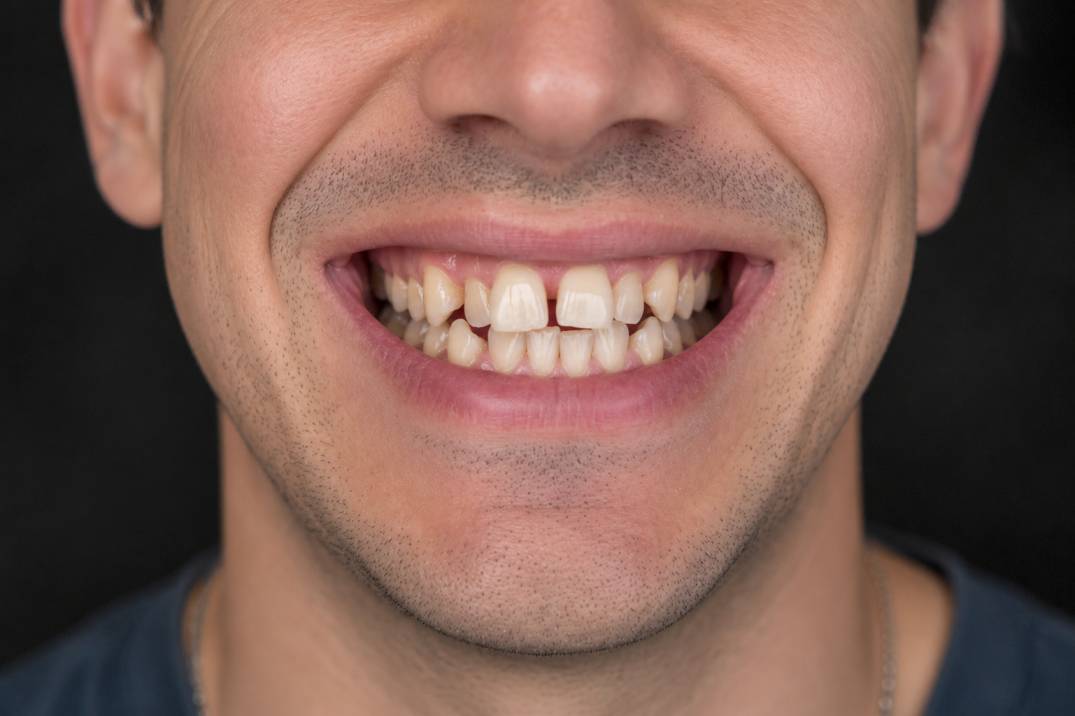
Orthodontic treatment—whether with braces or Invisalign—typically begins by addressing the front teeth or teeth that are easiest to move. These are often the incisors (the front teeth you see when you smile). Because these teeth have smaller roots compared to molars, they respond more quickly to orthodontic pressure.
The goal is to create space and begin aligning visible teeth early in treatment. This provides both a functional and cosmetic benefit, as patients often notice improvements in their smiles sooner. However, every case is unique, and your treatment plan will depend on your individual alignment needs.
Why Front Teeth Are Prioritized
There are a few reasons why Invisalign often starts with movement in the front teeth:
- Smaller Roots, Easier Movement – Front teeth have shorter roots, making them more responsive to gentle forces.
- Early Progress Motivation – Patients typically want to see visible improvements quickly. When front teeth begin to shift, it boosts confidence and encourages continued wear of aligners.
- Creating Space – Early movement of the front teeth helps open up space for more complex movements later in the treatment process.
What About Back Teeth?
While the front teeth are usually the first to show changes, Invisalign also works on back teeth during treatment. Molars and premolars often require more time and force to move due to their larger roots and position in the jaw. These movements are introduced gradually in later stages once enough space and alignment have been established in the front teeth.
This step-by-step progression ensures that the bite comes together properly and that results are not only aesthetic but also functional.
Factors That Influence Which Teeth Move First
Not every Invisalign case follows the same sequence. Several factors can influence which teeth move first, including:
- Severity of Misalignment – More complex cases may require certain teeth to move earlier to prepare for additional shifts.
- Customized Treatment Plan – Invisalign is designed specifically for your smile, so your plan may prioritize different areas depending on your needs.
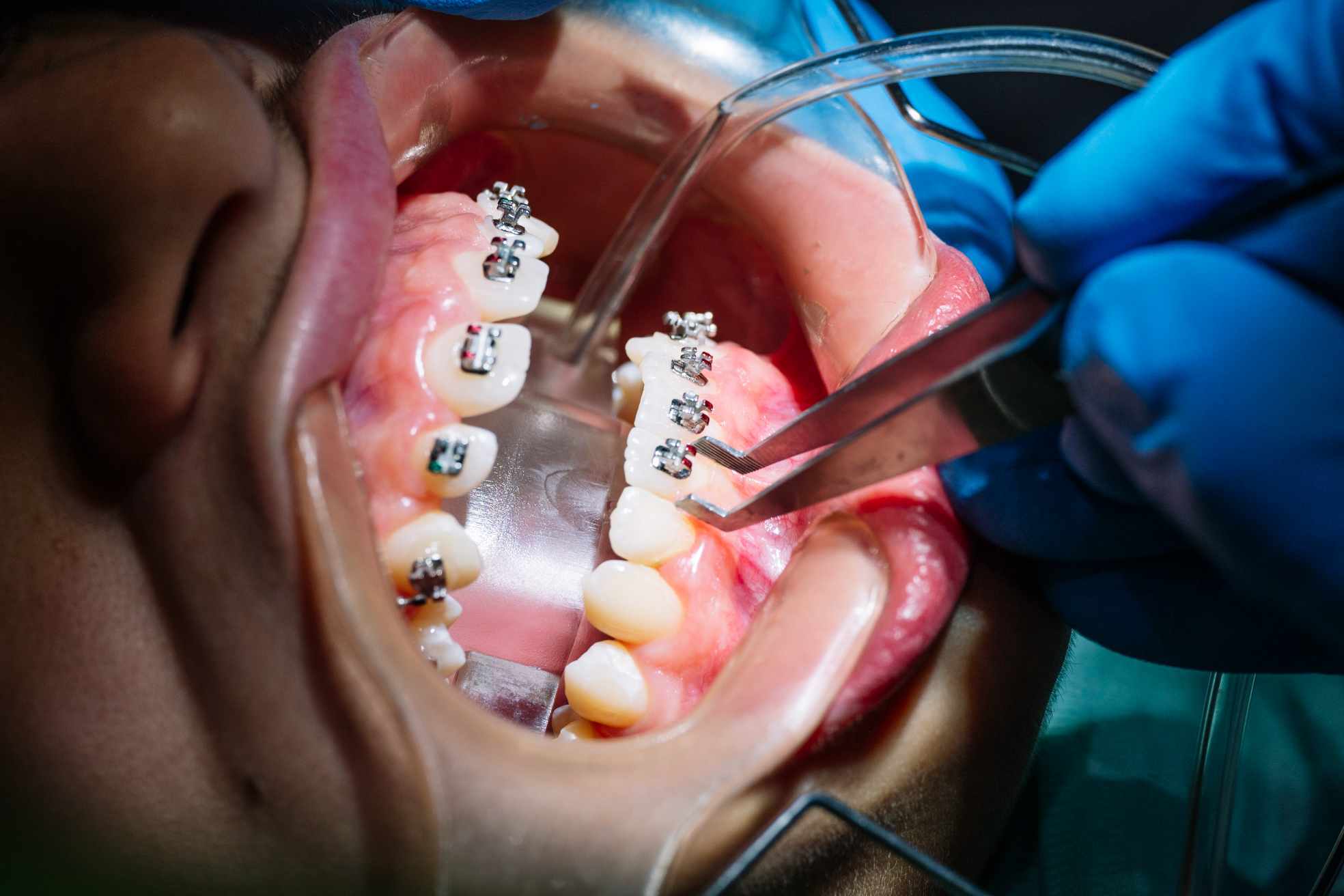
- Attachments or Buttons – Small tooth-colored attachments are sometimes placed to help guide movement, and these may alter the sequence of which teeth move first.
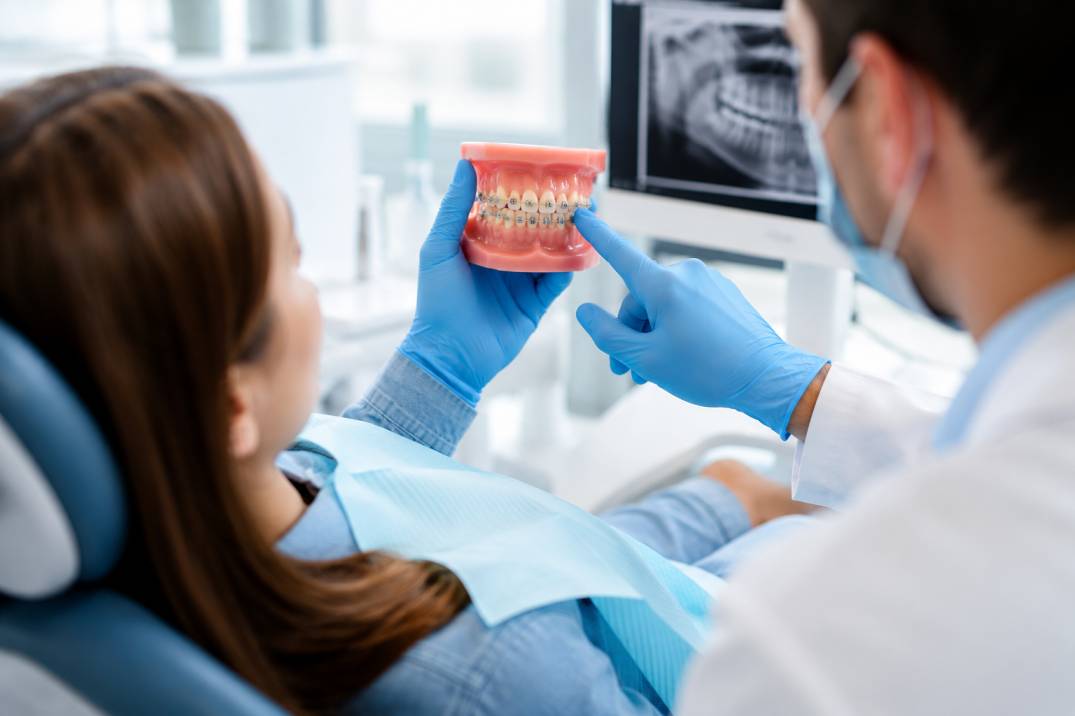
Your orthodontist carefully maps out these movements using advanced 3D technology before your treatment begins. This ensures predictable and efficient progress toward your smile goals.
How Soon Will You Notice Movement?
One of the exciting aspects of Invisalign is how quickly some patients notice changes. For many, small shifts in the front teeth can be seen within the first few weeks. However, meaningful changes in alignment and bite take several months, and final results often require consistent wear of aligners for 12–18 months on average.
Patience is key. Even though some teeth move earlier, the full transformation takes time as your aligners gradually work on every part of your smile.
The Importance of Consistency
No matter which teeth move first, the success of your Invisalign treatment depends heavily on wearing your aligners as directed. Most orthodontists recommend wearing them 20–22 hours per day, removing them only for eating, drinking (anything other than water), brushing, and flossing. Skipping or prolonging aligner wear can delay the sequence of movements and extend overall treatment time.
Why Choose Invisalign in Plano?
For patients seeking Invisalign in Plano, choosing a trusted orthodontic team makes all the difference. With expertise, advanced technology, and a patient-centered approach, you can feel confident knowing your smile is in skilled hands. Your treatment plan will be customized to your needs, ensuring not only aesthetic improvements but also long-term oral health benefits.
Final Thoughts
So, which teeth move first with Invisalign? In most cases, the process begins with the front teeth—helping create space and delivering early results that patients can see and appreciate. From there, Invisalign works progressively to align the rest of the teeth, including molars, to ensure a balanced and healthy bite. At our dental clinic, Elvebak Orthodontics, we are committed to helping patients achieve healthier, more confident smiles with the highest standard of care.
At our dental clinic in Plano, we are committed to helping patients achieve healthier, more confident smiles with the highest standard of care. Schedule an appointment today to take the first step toward your smile transformation.
NEW PATIENTS Are WELCOME!
