

How Long Do You Have to Wear Invisalign®?
By Elvebak Orthodontics | January 13, 2025
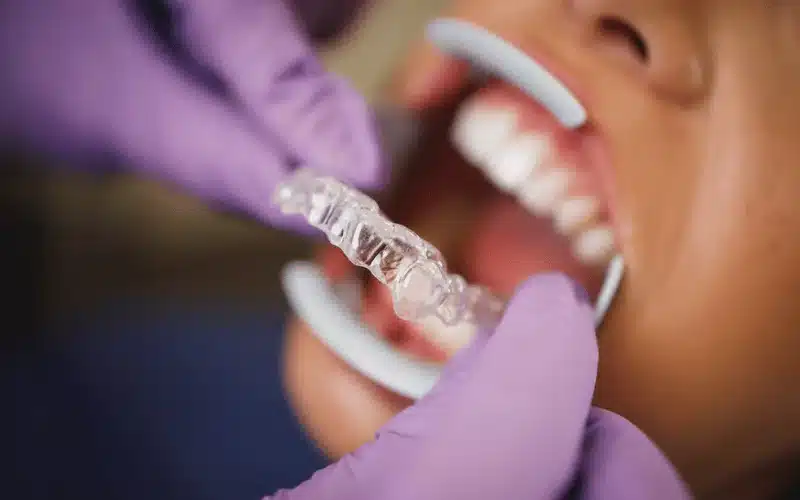
Clear aligners have revolutionized modern orthodontics by offering a discreet and effective treatment option. Do you know clear aligners such as Invisalign have gained popularity worldwide since their introduction in 1998?
According to an article published in 2018 in USA Today, Invisalign treatments have tripled, with more than 1.3 million new users expected globally in the coming years, making it a trusted choice for those seeking a more aesthetic alternative to traditional metal braces.
However, patient compliance is crucial to their effectiveness. If you’re starting Invisalign treatment, understanding the wear schedule of it is essential. Let’s explore how consistent usage, daily hours, and overall compliance affect Invisalign treatment timelines.
How Long Do You Need to Utilize Invisalign for Effective Results?
Patients must wear these transparent aligners for 20-22 hours daily to achieve desired results. This schedule allows enough time to remove aligners for eating, brushing, and flossing. Wearing aligners for fewer hours reduces their effectiveness, leading to longer treatment durations.
Aligners exert consistent pressure on teeth, gradually guiding them into optimal alignment. Skipping even a few hours disrupts this process, slowing progress. Orthodontists recommend maintaining this schedule as part of your daily routine. You can brush after meals and reinsert the aligners promptly.
Missing wear time due to forgetfulness or extended meals can compromise the pressure exerted on teeth. Following the recommended schedule ensures your clear aligners work effectively without unnecessary delays.
The Importance of the 22-Hour Compliance Rule
The 22-hour compliance rule is essential for clear aligner therapy. Each aligner is designed to make incremental tooth movements within one to two weeks. This process relies on consistent pressure from the oral appliances. By wearing the aligners for less than 22 hours, patients risk reversing or stalling progress, which prolongs overall treatment time.
Orthodontists monitor compliance during check-ups by assessing fit and progress. Invisalign in Dallas is designed for flexibility and comfort, encouraging extended wear. Still, patient dedication remains the cornerstone of success. Following the compliance rule ensures that aligners fit correctly and teeth remain on track for alignment.
Adherence also minimizes the risk of complications, such as gaps between aligners and teeth, which occur when wear time is inconsistent. Proper compliance reduces potential refinements, sparing patients additional time and visits.
What Happens if Patients Fail to Wear Aligners as Directed?
Non-compliance with wearing transparent aligners can result in several setbacks. Teeth may shift back toward their original positions, reversing progress. If aligners are removed frequently, the orthodontic force weakens, requiring adjustments to the treatment plan.
Missed hours can also necessitate extending the time a particular set of aligners must be worn. For instance, orthodontists may extend the interval to three or more weeks instead of switching trays every two weeks. In extreme cases of prolonged non-compliance, orthodontists may need to create new aligners to restart treatment.
Consistent wear isn’t just about results—it’s about maintaining your investment. Aligners work best when they guide teeth gradually without interruptions—patients who neglect wear time risk slower progress and discomfort when reinserting aligners. Teeth may shift unpredictably, causing new soreness or requiring adjustments.
Treatment Timelines: What to Expect
Typical treatment lasts 12-18 months, but the duration varies depending on individual cases. Minor alignment issues may resolve in as little as six months, while more complex adjustments require extended wear. Factors such as the severity of misalignment, patient age, and adherence to wear schedules influence treatment length.
Regular check-ups every six to eight weeks ensure that progress aligns with the treatment plan. These appointments allow orthodontists to assess fit, address concerns, and provide new aligners.
Patients seeking Invisalign in Dallas should note that consistent compliance directly impacts overall outcomes. Aligners are custom-designed for specific stages of tooth movement, and skipping wear time prolongs the journey. Orthodontists emphasize the importance of staying disciplined, especially during the final stages when refinements ensure a perfect bite.
Conclusion
For optimal results, it’s crucial to follow the recommended 20–22-hour daily wear schedule. Missing hours can disrupt progress, delay outcomes, and cause discomfort.
Patients who stick to the compliance rule and maintain consistent habits enjoy a smoother, more comfortable experience. At the end of the day, every hour counts in achieving a healthy and confident smile.
If you’re considering Invisalign in Dallas, make sure to work closely with your orthodontist to stay on track with your treatment plan and see the best results possible. Visit our dental clinic, Elvebak Orthodontics, for expert care and personalized Invisalign treatment. Schedule an appointment today and take the first step toward your perfect smile care and personalized Invisalign treatment, visit Elvebak Orthodontics and begin your journey toward a perfect smile.
NEW PATIENTS Are WELCOME!
