

Overview of Oral and Maxillofacial Surgery: Types Explained
By Elvebak Orthodontics | October 1, 2024
Oral and maxillofacial surgery is frequently the go-to solution for complex dental challenges. This specialized area concentrates on diagnosing and treating conditions affecting the mouth, jaw, and facial structures.
By exploring procedures like corrective jaw surgery, you can make educated choices regarding your dental health. Let’s unravel the details surrounding maxillofacial surgery and its procedures.
What Is Oral and Maxillofacial Surgery?
Oral surgery is a specialized branch of dentistry that encompasses various procedures concerning the mouth, jaw, and facial structures. It addresses functional and aesthetic concerns and aims to improve a patient’s well-being.
Oral and maxillofacial surgeons are unique dental specialists. After completing dental school, they undergo rigorous surgical training in an American Dental Association-accredited hospital-based residency program for at least four years. This extensive training allows them to handle complex cases requiring surgical intervention effectively.
These professionals can administer outpatient anesthesia during surgeries, ensuring a comfortable patient experience. They also collaborate with other specialists, including those in otolaryngology, to provide comprehensive patient care. Understanding the various types of surgeries within this specialty is crucial for anyone considering these procedures.
Corrective Jaw Surgery
Also known as the orthognathic surgical process, corrective jaw surgery realigns the jaw for functional and aesthetic purposes. It can treat conditions like overbites, underbites, and jaw asymmetry.
When the jaw is misaligned, chewing, speaking, and breathing can be difficult. Corrective jaw surgery not only improves the appearance of the face but also enhances these essential functions. Recovery from this surgical process may take several weeks, but the long-term benefits are often worth the wait.
Wisdom Teeth Removal
Wisdom tooth extraction ranks as one of the most common oral surgical treatments. Often, these teeth can become impacted, leading to pain, infection, and overcrowding. If wisdom teeth do not have enough room to emerge properly, they can push against other teeth, causing discomfort.
Removing wisdom teeth helps prevent crowding and can improve oral hygiene by making cleaning easier. It is usually performed under local anesthesia or sedation, ensuring a comfortable experience for the patient.
Cleft Palate Surgery
Cleft palate surgery repairs a split or opening in the roof of the mouth. This condition can affect feeding, speech, and overall dental alignment in children and adults alike. A cleft palate occurs when the tissue that forms the roof of the mouth doesn’t fully come together during development.
The surgical process aims to restore normal function and appearance, allowing for a better quality of life. Typically performed in infancy or early childhood, this procedure is crucial for long-term oral health and development. Post-surgery follow-up may include speech therapy to ensure the best outcomes.
Facial Trauma Surgery
The facial trauma surgical process addresses injuries to the face, jaw, and mouth caused by accidents, falls, or violence. This type of surgery often requires immediate attention to prevent long-term damage. Surgeons in this field work diligently to reconstruct facial features and restore functionality.
The goal is to ensure proper healing while maintaining the patient’s appearance. Quick intervention is crucial, and the surgeon often collaborates with other medical professionals to achieve the best results. Depending on the extent of the injuries, recovery may involve multiple stages.
Temporomandibular Joint (TMJ) Surgery
TMJ issues often cause jaw discomfort, headaches, and problems with chewing. Many patients experience discomfort due to jaw misalignment, arthritis, or stress. When conservative treatments like physical therapy or splints fail, surgery may be recommended.
TMJ surgery aims to alleviate pain and restore normal jaw movement. Several techniques exist, including arthroscopy and open-joint surgical process. Each case is unique, and a thorough evaluation is necessary to determine the best approach for relief.
Oral Cancer Surgery
Oral cancer surgery involves the removal of tumors or cancerous tissue in the mouth. Early diagnosis and intervention are vital for successful treatment. Surgeons may remove cancerous lesions and perform reconstructive techniques to restore function and appearance after tumor removal.
A multidisciplinary approach involving oncologists and radiologists is often employed. Following surgery, patients may require follow-up therapies, including chemotherapy or radiation, to ensure the best outcomes. Regular check-ups are crucial for monitoring recovery and overall health.
Dental Implants
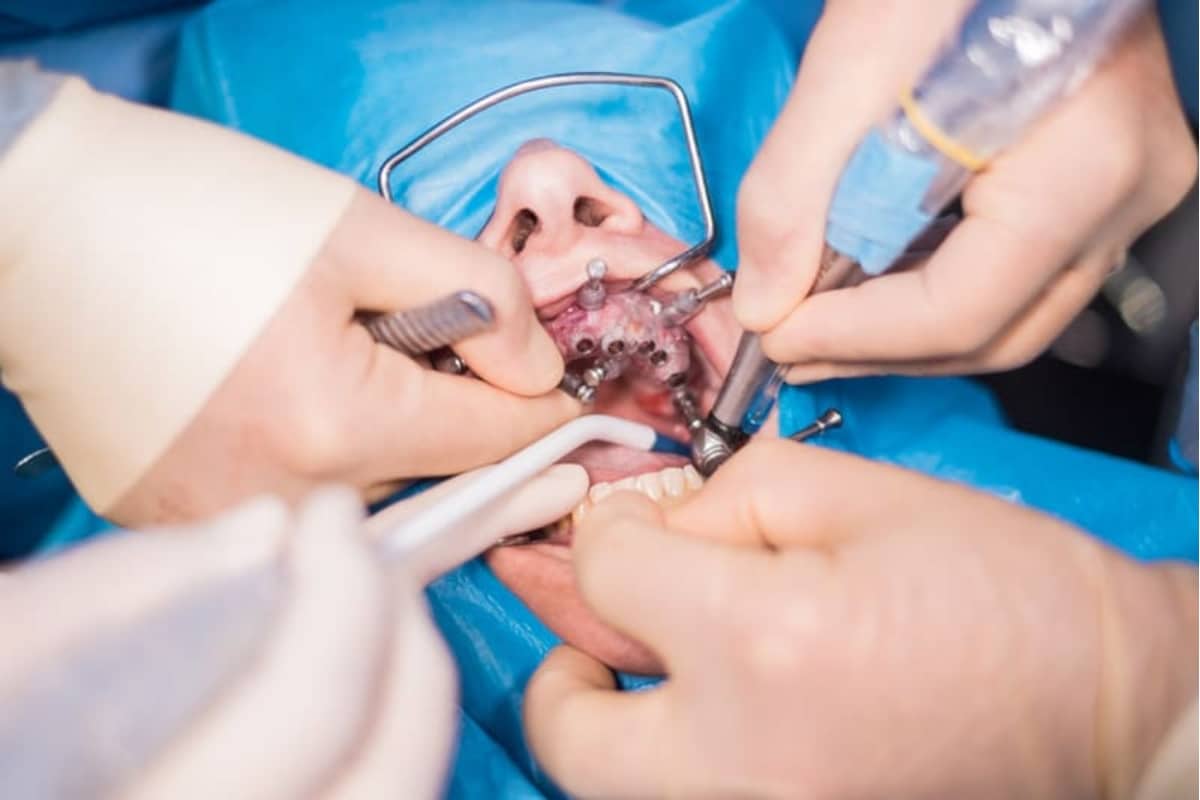
Oral and maxillofacial surgeons also specialize in placing dental implants. These implants permanently replace missing teeth, providing a solid foundation for crowns, bridges, or dentures. The surgery involves placing a titanium post in the jawbone, which fuses over time to ensure durability and stability.
Dental implants improve functionality and aesthetics, allowing individuals to regain confidence in their smiles. A thorough evaluation is performed before surgery to ensure the implant’s success. Post-operative care includes following specific guidelines to promote healing.
To learn about the various oral and maxillofacial surgery types, you can search for dental care options effectively. Each procedure addresses specific needs and can significantly improve your quality of life. Consulting with a qualified oral and maxillofacial surgeon is essential if you or a loved one requires surgical intervention.
Trust Elvebak Orthodontics for expert oral surgery care. Start your journey to optimal oral health with maxillofacial surgery today!
Recent Articles
NEW PATIENTS Are WELCOME!
