

Can Teeth Move Back After Braces?
By Elvebak Orthodontics | February 5, 2026
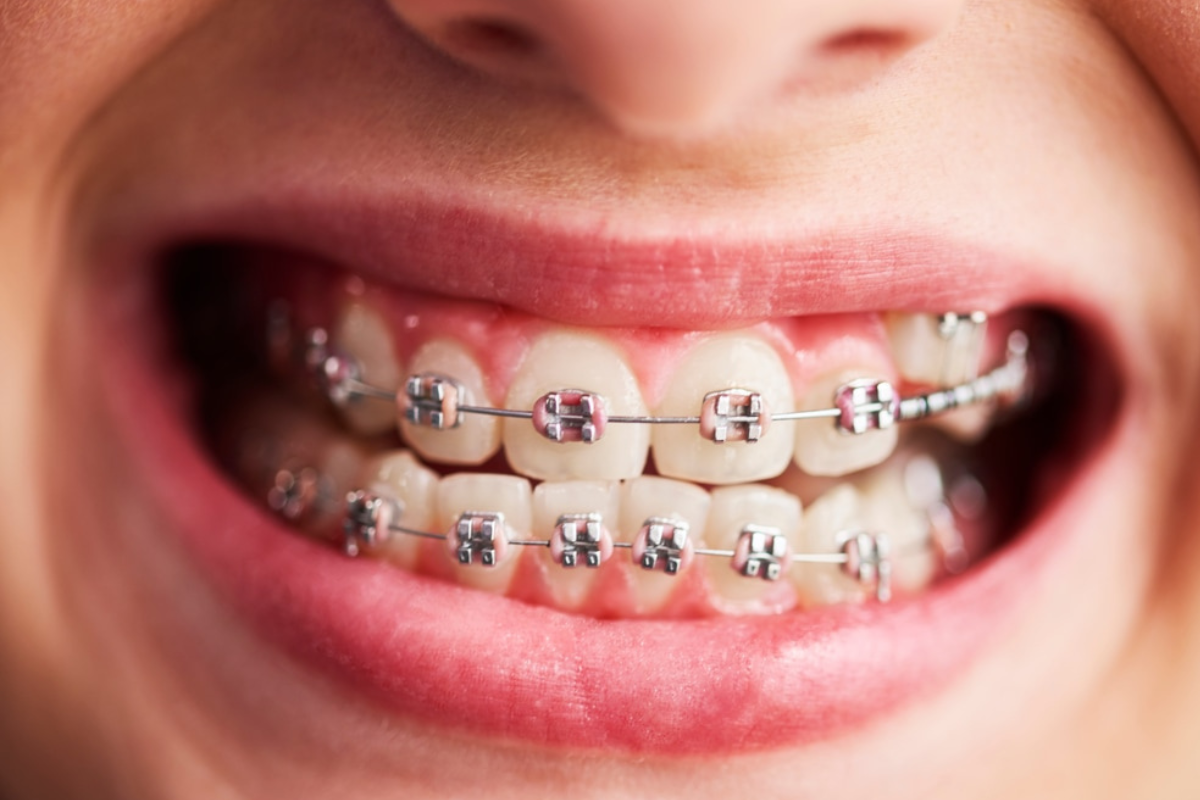
You finally finished wearing braces and loved seeing your straight smile for the first time. Months or even years later, you might notice something unsettling. A tooth looks slightly off. Your bite feels different. This leads many people to ask an important question: can teeth move back after braces?
The honest answer is yes. Teeth can shift after orthodontic treatment, and understanding why it happens is the key to protecting the results you worked so hard to achieve. This blog breaks down what causes teeth to move after braces, whether it is normal, and what you can do to maintain long-term alignment.
Is It Normal for Teeth to Shift After Braces?
Yes, it is normal for teeth to shift after braces, especially during the months following treatment. Orthodontic care moves teeth into new positions by guiding them through bone and soft tissue. Once braces are removed, the surrounding structures need time to stabilize.
Teeth have memory. They naturally want to move back toward their original positions, a process known as orthodontic relapse. This does not mean treatment failed. It simply means that proper guidance and follow-up are essential after braces come off.
An experienced orthodontist understands that retention plays a critical role in long-term results, particularly during the first year after treatment. Our orthodontic care in Plano is centered on thoughtful planning, ongoing support, and patient-focused guidance.
What Causes Teeth to Move After Braces?
Several factors influence post-braces tooth movement. Knowing these causes helps patients take proactive steps to protect their smiles.
Inconsistent Retainer Use
The most common reason teeth move after braces is not wearing retainers as instructed. Retainers hold teeth in place while the jawbone and surrounding tissues adapt. Skipping nights or stopping retainer use too early allows teeth to gradually shift.
Natural Aging and Jaw Changes
Your mouth continues to change throughout life. Jaw growth, bone density changes, and even muscle movement can influence tooth positioning over time. This means some movement can occur even years after orthodontic treatment.
Teeth Grinding or Clenching
Habitual grinding or clenching puts pressure on teeth, which can encourage movement. This can subtly affect alignment and bite stability if left unaddressed.
Bite and Chewing Forces
Daily activities like chewing, swallowing, and speaking apply constant pressure to teeth. Over time, these forces can contribute to gradual shifting, especially without proper retention.
How Fast Do Teeth Move Back After Braces?
Teeth can begin shifting surprisingly quickly. In some cases, noticeable movement may occur within weeks or months if retainers are not worn consistently. For others, changes happen slowly over the years.
This is why orthodontic follow-up matters. A trusted orthodontist in Plano can monitor changes early and recommend adjustments before misalignment becomes more noticeable.
Signs Your Teeth May Be Shifting
Patients often overlook early warning signs. Paying attention to subtle changes can make a big difference.
Common indicators include teeth feeling tighter or crowded, changes in how the bite fits together, minor gaps reappearing, or retainers feeling tight after skipping use. These signs suggest that the teeth are trying to move back.
Why Retention Is Just as Important as Braces
Braces straighten teeth, but retention keeps them straight. Retainers allow the bone to remodel and stabilize around the new tooth positions. Without this phase, even the best orthodontic results can change.
Long-term orthodontic stability depends on consistency and professional guidance. A knowledgeable orthodontist emphasizes education, follow-up, and personalized care to support lasting results.
Long-Term Smile Stability and Patient Confidence
Maintaining a straight smile is about more than appearance. Proper alignment supports comfortable chewing, balanced jaw function, and overall oral health. When teeth shift, it can affect bite harmony and increase wear on certain teeth.
This is why patients benefit from working with an orthodontist who prioritizes long-term outcomes over short-term alignment. A thoughtful approach and commitment to high-quality care make a measurable difference in patient confidence and comfort.
When Should You Seek Professional Guidance?
If you notice changes in alignment, discomfort when biting, or difficulty wearing your retainer, it is wise to seek professional insight. Early attention helps prevent further movement and protects your investment in orthodontic care.
An experienced orthodontist can evaluate subtle changes, provide guidance, and help maintain healthy alignment over time.
A Confident Step Toward Long-Term Smile Protection
Your smile deserves ongoing attention, even after braces are complete. Understanding why teeth move and how to protect alignment empowers you to make informed decisions for your oral health. At Elvebak Orthodontics, we believe education, prevention, and personalized guidance are essential to maintaining confident, healthy smiles. At our dental clinic, we support patients at every stage of their orthodontic journey and encourage you to schedule an appointment to receive trusted insights, reassurance, and long-term care tailored to your needs.
NEW PATIENTS Are WELCOME!
