

Are Braces Triggering Your Canker Sores?
By Elvebak Orthodontics | April 6, 2026
You’re brushing your teeth like usual, and suddenly you feel it—that sharp sting when your tongue brushes against a small sore inside your mouth. If you’ve recently started orthodontic treatment, this might feel familiar. It’s a common concern: are your braces causing these painful canker sores?
The short answer is—braces don’t directly cause canker sores, but they can create conditions that make them more likely. Let’s explore why this happens and how you can manage it comfortably as you work toward your new smile.
What Are Canker Sores and Why Do They Hurt So Much?
Canker sores are small, shallow ulcers that form inside the mouth, usually on soft tissues like the tongue, cheeks, or inner lips. Unlike cold sores, they are not contagious, but they can be quite painful.
You may notice that they sting more when you eat spicy or acidic foods, brush your teeth, or even talk. Most canker sores heal within one to two weeks, but during that time, they can make everyday activities uncomfortable.
Can Braces Be the Reason Behind Your Canker Sores?
If you’ve just gotten braces, your mouth is adjusting to something completely new. During this adjustment, it’s not unusual to experience irritation—and sometimes that irritation can lead to canker sores. If you’re also experiencing soreness, understanding what to expect from brace discomfort during this stage can be very helpful.
Constant Friction Inside the Mouth
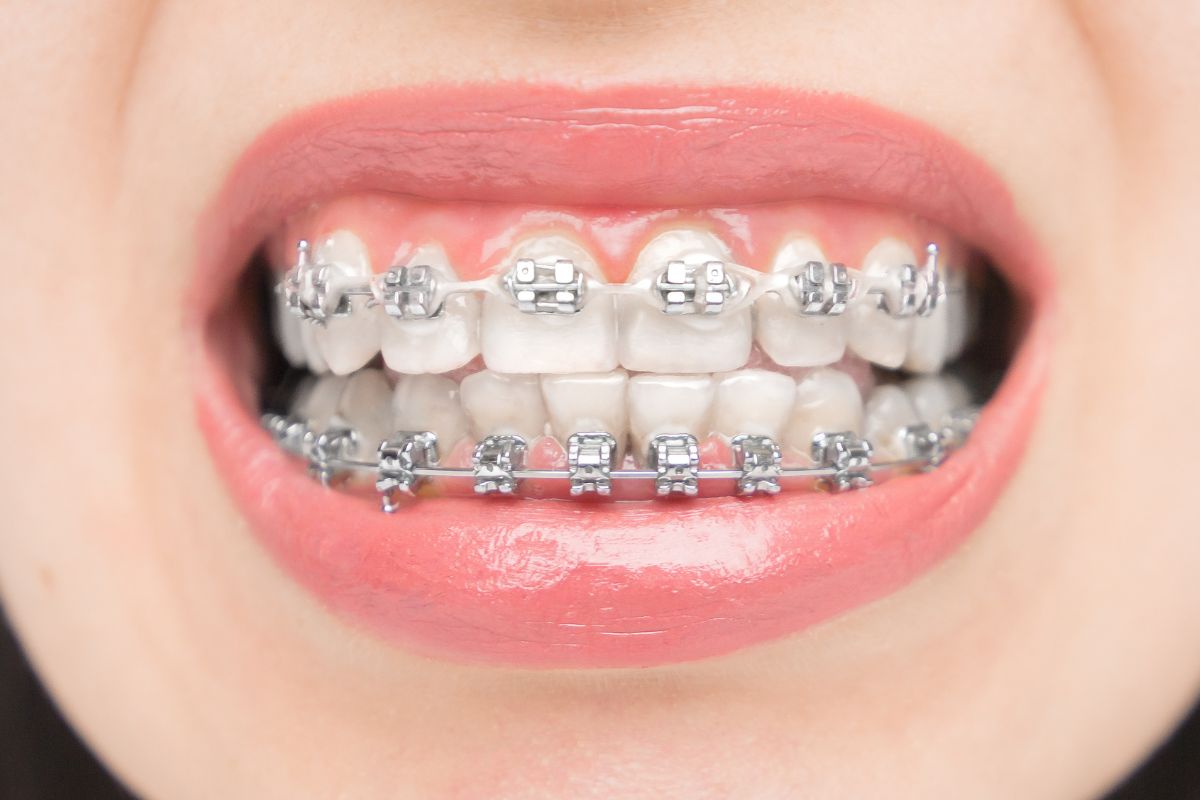
Braces include brackets and wires that sit close to your cheeks, lips, and tongue. Even in the beginning, or after adjustments, these parts can rub against soft tissues. This repeated friction can irritate the mouth and trigger a sore in sensitive areas.
Small Cuts or Scratches
Sometimes, a slightly misaligned wire or a bracket edge may cause tiny scratches inside your mouth. While these injuries may seem minor, they can easily turn into canker sores, especially if the area becomes inflamed.
Your Mouth Is Adapting
When you begin orthodontic treatment, your mouth is not only undergoing physical changes but also experiencing increased sensitivity. This adjustment period can make canker sores more likely to appear, even in response to small triggers that normally wouldn’t cause a problem.
Other Triggers You Might Not Expect
Even if braces are contributing, they’re usually not the only factor. Many patients notice that canker sores come and go depending on other conditions in their lives.
- Stress or anxiety (common during busy or uncomfortable periods)
- Not getting enough sleep
- Vitamin deficiencies, especially B12, iron, or folate
- Spicy, citrus, or acidic foods
- Hormonal changes
Your orthodontist may not only look at your braces but also consider these everyday factors when helping you manage recurring sores.
What You Can Do to Feel Better
The good news is that there are simple ways to reduce discomfort and help your mouth heal while continuing your treatment.
Use Orthodontic Wax
If a bracket or wire is irritating a specific area, applying orthodontic wax can create a smooth barrier. This small step can make a big difference in preventing further irritation.
Be Gentle While Brushing
It’s important to maintain oral hygiene, but you should brush gently—especially around sore areas. Using a soft-bristled toothbrush can help reduce additional irritation.
Choose Soothing, Soft Foods
When a sore is active, eating can feel uncomfortable. Soft foods like yogurt, mashed potatoes, scrambled eggs, and smoothies are easier on the mouth and less likely to worsen the pain.
Rinse with Warm Salt Water
A simple saltwater rinse can help keep the area clean and may provide mild relief. It’s a gentle, natural way to support healing.
When Should You Reach Out to Your Orthodontist?
Most canker sores are temporary, but there are times when it’s important to seek professional advice.
If you notice that your sores:
- Are not healing after two weeks
- Keep coming back frequently
- Are unusually large or painful
It’s a good idea to check in with your orthodontist. They can examine your braces, make small adjustments if needed, and help identify any underlying issues that may be contributing to the problem.
Staying Comfortable During Your Orthodontic Journey
Starting braces is a big step toward improving your smile, but it’s completely normal to experience some temporary discomfort along the way. Canker sores can be a challenge, especially in the early stages of orthodontic treatment.
The key is to stay informed, take small preventive steps, and don’t hesitate to seek guidance when needed. With the right care, most patients find that these sores become less frequent as their mouth adjusts. If you’re finding it difficult to manage irritation or want expert guidance tailored to your needs, our dental office in Plano is here to support you with personalized care and attention every step of the way.
Your Comfortable, Confident Smile Starts with the Right Care and Guidance
If canker sores are making your orthodontic experience uncomfortable, you don’t have to deal with them alone. At Elvebak Orthodontics, we understand how even small issues can impact your daily comfort, and we are committed to providing patient-focused, high-quality care throughout your journey. Our approach is centered on listening to your concerns and guiding you with expertise and attention to detail so your treatment stays as smooth and comfortable as possible.
Schedule an appointment today and experience personalized care with us, where your comfort and smile are always our priority.

NEW PATIENTS Are WELCOME!
