

Why Brushing and Flossing Matter More with Braces
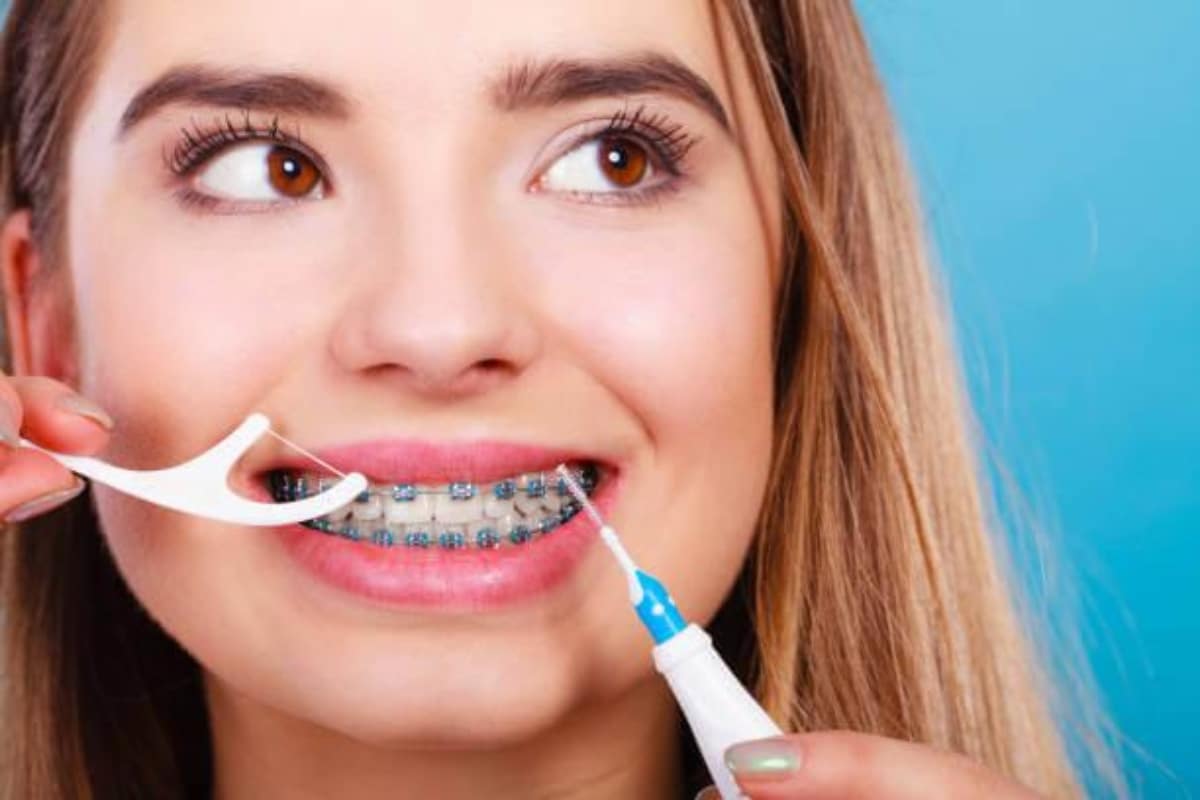
Braces play an important role in aligning teeth and improving bite function, but they also change how your mouth needs to be cared for every day. Once brackets and wires are in place, routine brushing and flossing become more than just good habits—they become essential for protecting your teeth, gums, and overall oral health throughout orthodontic care.
Patients often focus on the visible progress of braces while underestimating the impact daily oral hygiene has on results. An experienced orthodontist will consistently emphasize that successful orthodontic outcomes depend not only on tooth movement but also on the maintenance of oral health throughout treatment.
How Braces Create New Oral Hygiene Challenges
Brackets and Wires Trap Plaque Easily
Braces create multiple small spaces where plaque and food particles can collect. These areas are difficult to clean with standard brushing alone, allowing bacteria to build up faster than usual. Over time, this can increase the risk of enamel damage, cavities, and gum irritation.
This is one reason oral hygiene guidelines change during orthodontic treatment—what worked before braces may no longer be enough.
Why Plaque Control Is Critical During Orthodontic Care
When plaque remains on teeth for extended periods, it produces acids that weaken enamel. With braces, this process can happen more quickly around brackets, leading to visible white spot lesions once braces are removed. Consistent brushing and flossing help prevent this long-term damage.
The Importance of Proper Brushing with Braces
Cleaning Beyond Tooth Surfaces
Brushing with braces requires more than a quick pass over teeth. Effective brushing focuses on:
- Cleaning around brackets
- Removing plaque near the gumline
- Reaching areas between wires and teeth
Without this level of attention, bacteria can thrive in hard-to-reach areas, compromising oral health during treatment.
Protecting Enamel Throughout Treatment
One of the biggest concerns orthodontists see after braces is permanent enamel discoloration caused by plaque buildup. Brushing thoroughly helps preserve enamel strength and appearance, supporting healthier results once alignment is complete.
Why Flossing Matters Even More with Braces
Removing Debris Between Teeth
Flossing reaches places toothbrushes cannot. With braces, food debris often becomes trapped between teeth and under wires, creating an environment where bacteria multiply rapidly.
Skipping flossing allows plaque to harden, increasing the risk of cavities and gum inflammation.
Supporting Gum Health During Orthodontic Treatment
Healthy gums are essential for teeth to move properly. Inflammation or bleeding gums can slow orthodontic progress and make treatment less comfortable. Flossing helps reduce irritation and keeps gum tissue healthy as teeth shift into place.
Orthodontists consistently stress that gum health plays a major role in overall treatment success.
Common Oral Health Risks When Hygiene Is Inconsistent
Tooth Decay and White Spot Lesions
Poor oral hygiene during braces often leads to enamel demineralization, which appears as white spots on teeth. These marks can remain visible even after braces are removed, affecting the smile’s final appearance.
Gum Inflammation and Sensitivity
Plaque buildup around braces frequently causes swollen or tender gums. Maintaining a proper brushing and flossing routine helps prevent gingivitis and supports long-term oral health.
An experienced orthodontist in Plano monitors these risks closely and educates patients on preventive care throughout orthodontic treatment.
Building Strong Oral Hygiene Habits That Last
Consistency Makes the Difference
The most effective oral hygiene routine is one that is done consistently. Brushing thoroughly and flossing daily protect teeth, support gum health, and help orthodontic treatment stay on track.
Education and Guidance Matter
Modern orthodontic care emphasizes patient education. Understanding how braces affect oral hygiene empowers patients to make better daily choices and protect their progress.
This educational approach reflects a commitment to high-quality care—one that focuses on prevention, long-term health, and sustainable results.
Long-Term Benefits of Excellent Oral Hygiene with Braces
Patients who maintain proper brushing and flossing habits during orthodontic care often experience:
- Healthier enamel after braces
- Reduced risk of cavities
- Better gum health
- More confident final results
Good habits developed during braces frequently continue long after treatment ends, supporting lifelong oral health and stability.
A Confident Close: Supporting a Healthy Smile During Braces
Maintaining excellent oral hygiene during orthodontic care is one of the most important steps toward achieving lasting results. At Elvebak Orthodontics, we believe informed patients make confident decisions, and our approach focuses on education, prevention, and attention to detail throughout orthodontic care. We are committed to helping patients protect their oral health while working toward a healthy, aligned smile. If you’re preparing for braces or are currently undergoing orthodontic care, we invite you to schedule an appointment and take the next step with us.


NEW PATIENTS Are WELCOME!