

How to Get Invisalign for Teeth Straightening?
By Elvebak Orthodontics | June 11, 2024
Straightening your teeth no longer has to mean noticeable brackets and wires. Invisalign has changed how many patients approach orthodontic care by offering a clear, flexible way to improve alignment while fitting into everyday life. Still, many people wonder how Invisalign actually works and what steps are involved before getting started.
Understanding the process—from evaluation to daily wear—can help you make informed decisions and feel confident throughout your orthodontic journey. Below, we break down what getting Invisalign looks like, why professional planning matters, and how thoughtful care leads to reliable, long-term results.
What Makes Invisalign Different from Other Orthodontic Options?
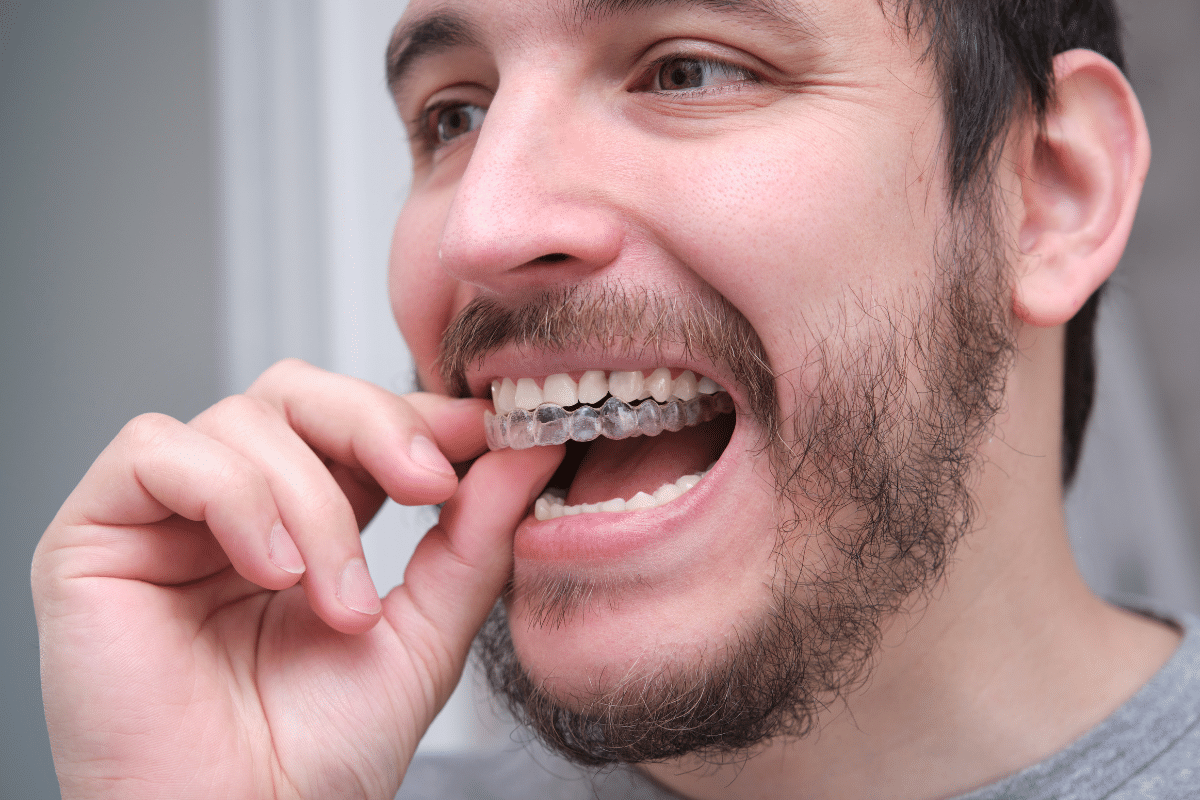
Invisalign uses a series of custom clear aligners that gradually move teeth over time. Unlike fixed appliances, aligners are removable and nearly invisible, making them a popular choice for adults and teens who want a discreet solution.
What sets Invisalign apart is the precision behind it. Every aligner is created using advanced digital planning, ensuring tooth movement follows a carefully mapped path rather than guesswork. This approach supports predictable outcomes and patient comfort throughout treatment.
Step 1: Start with a Professional Orthodontic Evaluation
Why an Evaluation Is Essential
The first step toward Invisalign is a comprehensive orthodontic evaluation. Teeth alignment, bite patterns, jaw position, and overall oral health all play a role in determining whether Invisalign is appropriate.
Even though Invisalign is highly versatile, not every alignment concern responds the same way. A professional assessment ensures that Invisalign is chosen for the right reasons and applied correctly.
Personalized Planning from the Beginning
A thoughtful Invisalign treatment plan is never one-size-fits-all. Every smile is unique, which is why individualized planning is essential to achieving both functional and aesthetic goals.
Step 2: Digital Scanning and Treatment Mapping
Advanced Imaging for Accuracy
Instead of traditional impressions, modern Invisalign planning often relies on digital scans. These scans capture detailed images of the teeth and gums, forming the foundation of a customized treatment roadmap.
This technology allows patients to see how their teeth are expected to move over time, adding transparency and confidence to the process.
Predictable Tooth Movement
Digital planning ensures that every aligner builds on the progress of the last. This level of precision is one reason Invisalign continues to be trusted as a reliable orthodontic option.
Step 3: Receiving and Wearing Your Aligners
How Invisalign Aligners Work
Once aligners are created, patients wear each set for a specific period before switching to the next. Each aligner applies gentle, controlled pressure to guide teeth into better alignment.
Consistency is critical. Aligners must be worn as directed to maintain steady progress and avoid delays.
Daily Life with Invisalign
Because aligners are removable, patients can eat comfortably and maintain normal brushing and flossing routines. This flexibility helps support better oral hygiene compared to traditional braces and encourages healthier habits throughout treatment.
Step 4: Monitoring Progress Throughout Invisalign Treatment
Ongoing Professional Oversight
Even though Invisalign aligners are removable, professional monitoring remains essential. Periodic check-ins help ensure teeth are moving as planned and allow for adjustments when necessary.
This oversight reflects a commitment to high-quality care and ensures treatment stays on track from start to finish.
Adapting to Individual Progress
Tooth movement isn’t identical for everyone. Monitoring allows orthodontists to adapt the plan if needed, protecting both comfort and results.
Step 5: Completing Treatment and Protecting Results
The Importance of Retention
Once Invisalign treatment is complete, maintaining results becomes the priority. Teeth naturally want to shift back, which is why retainers play an important role in long-term success.
Good retention habits help preserve alignment and protect the time and effort invested in orthodontic care.
Long-Term Oral Health Benefits
Properly aligned teeth are easier to clean, support healthier gums, and contribute to balanced bite function. These benefits extend well beyond aesthetics and support overall oral health.
Who Is Invisalign Best Suited For?
Invisalign can address many common alignment concerns, including crowding, spacing, and mild to moderate bite issues. Patients considering invisalign in Plano often value flexibility, comfort, and a subtle appearance during orthodontic care.
That said, suitability depends on individual needs, which is why professional evaluation and planning are so important.
Why Expertise and Planning Matter
Successful Invisalign outcomes depend on more than clear aligners alone. Accurate diagnosis, digital planning, patient education, and consistent monitoring all contribute to predictable, high-quality results.
A well-planned Invisalign treatment reflects experience, attention to detail, and a patient-centered philosophy that prioritizes both comfort and long-term oral health.
Take the Next Confident Step Toward a Straighter Smile
Choosing Invisalign is about more than convenience—it’s about trusting the process and the guidance behind it. At Elvebak Orthodontics, we focus on education, precision, and personalized care to help patients navigate Invisalign with confidence. Our dental clinic is dedicated to supporting informed decisions and long-lasting results through thoughtful orthodontic care. If you’re considering Invisalign and want guidance tailored to your smile, we invite you to schedule an appointment and take the next step with Elvebak Orthodontics.


NEW PATIENTS Are WELCOME!
