

Can Braces or Invisalign Cause Gum Recession? What Dallas Patients Should Know
By Elvebak Orthodontics | August 14, 2026
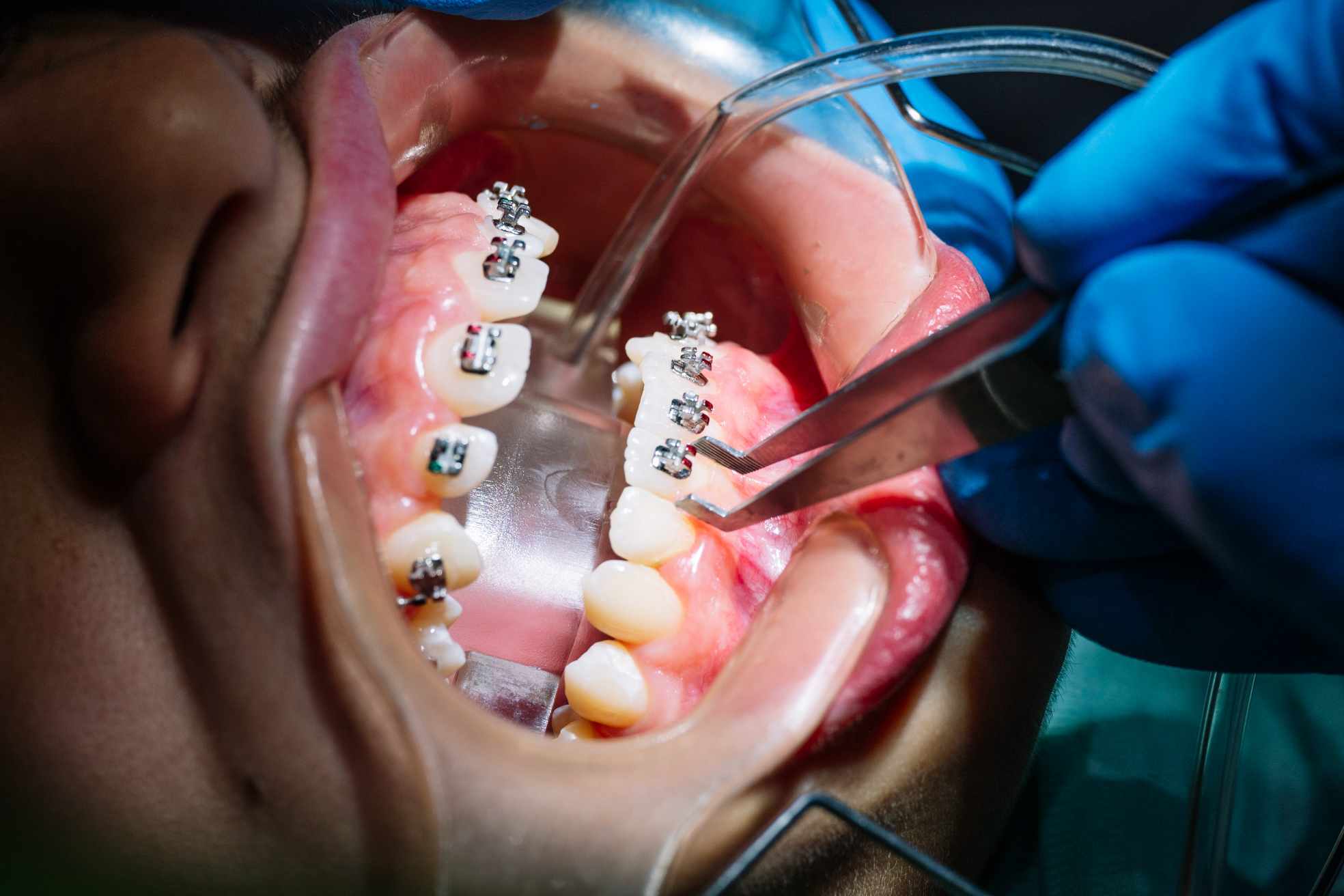
If you’re considering braces or Invisalign in Dallas, TX, you may have one concern that doesn’t get enough attention online:
Could straightening your teeth cause your gums to recede?
The short answer is that orthodontic treatment can be associated with gum recession in some patients, but braces and Invisalign do not automatically cause receding gums.
Gum recession can have multiple causes, including existing periodontal problems, gum thickness, tooth position, oral hygiene, brushing habits, and the way teeth are moved during orthodontic treatment.
That is why a proper evaluation before treatment matters.
What Is Gum Recession?
Gum recession occurs when the gum tissue moves away from the tooth, exposing more of the tooth or its root.
You may notice that a tooth looks longer than it used to, or you may develop sensitivity around the gumline.
Common warning signs include:
- Increased sensitivity to cold
- A tooth appearing longer
- A visible notch near the gumline
- Red or irritated gums
- Bleeding when brushing or flossing
- Food collecting around the gumline
- A noticeable difference between neighboring teeth
Importantly, gum recession isn’t necessarily caused by orthodontic treatment. It can develop before braces or Invisalign are ever placed.
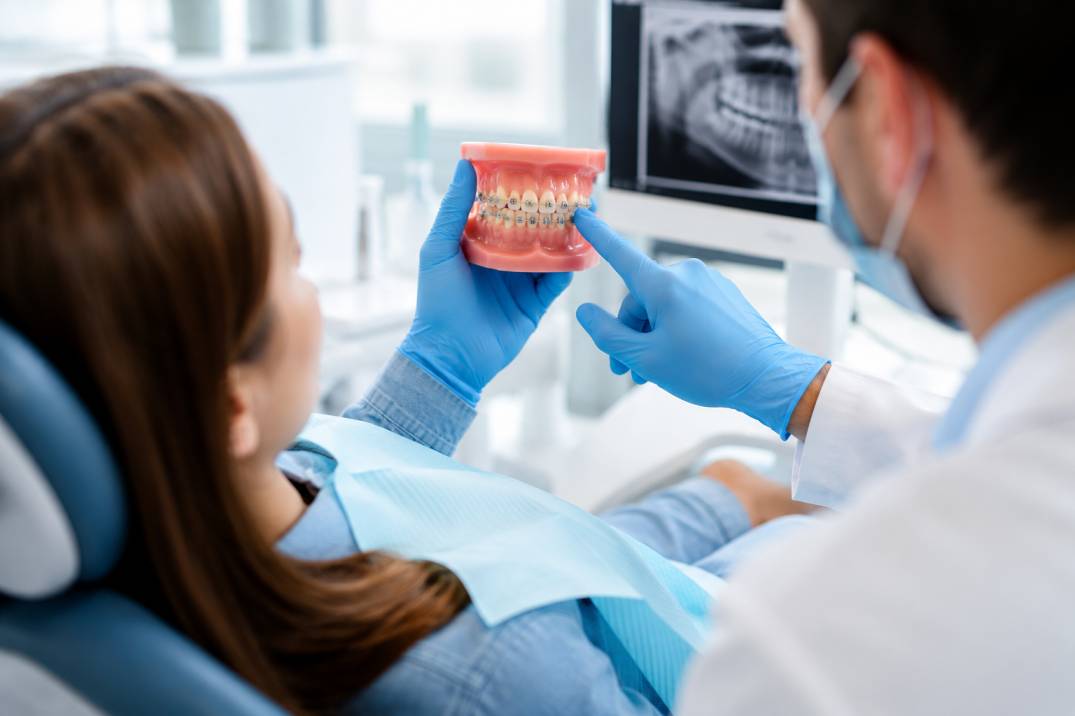
That’s why your orthodontist needs to establish the condition of your gums and supporting tissues before moving your teeth.
Can Braces Cause Gum Recession?
They can be associated with recession in certain circumstances, but braces themselves aren’t automatically the cause.
Orthodontic treatment moves teeth through the surrounding bone and supporting tissues. If a tooth is moved too far toward the outer boundary of the bone supporting it, the surrounding gum tissue may be more vulnerable.
A systematic review examining orthodontic therapy and gingival recession found that teeth moved toward greater proclination were associated with a higher occurrence or severity of recession in many of the studies reviewed. However, the researchers also emphasized that the available evidence was limited and should be interpreted cautiously.
More recent research has continued to investigate which patients are most susceptible.
The important takeaway is not “braces cause recession.”
It is:
The way teeth are positioned and moved can matter to gum health.
What About Invisalign?
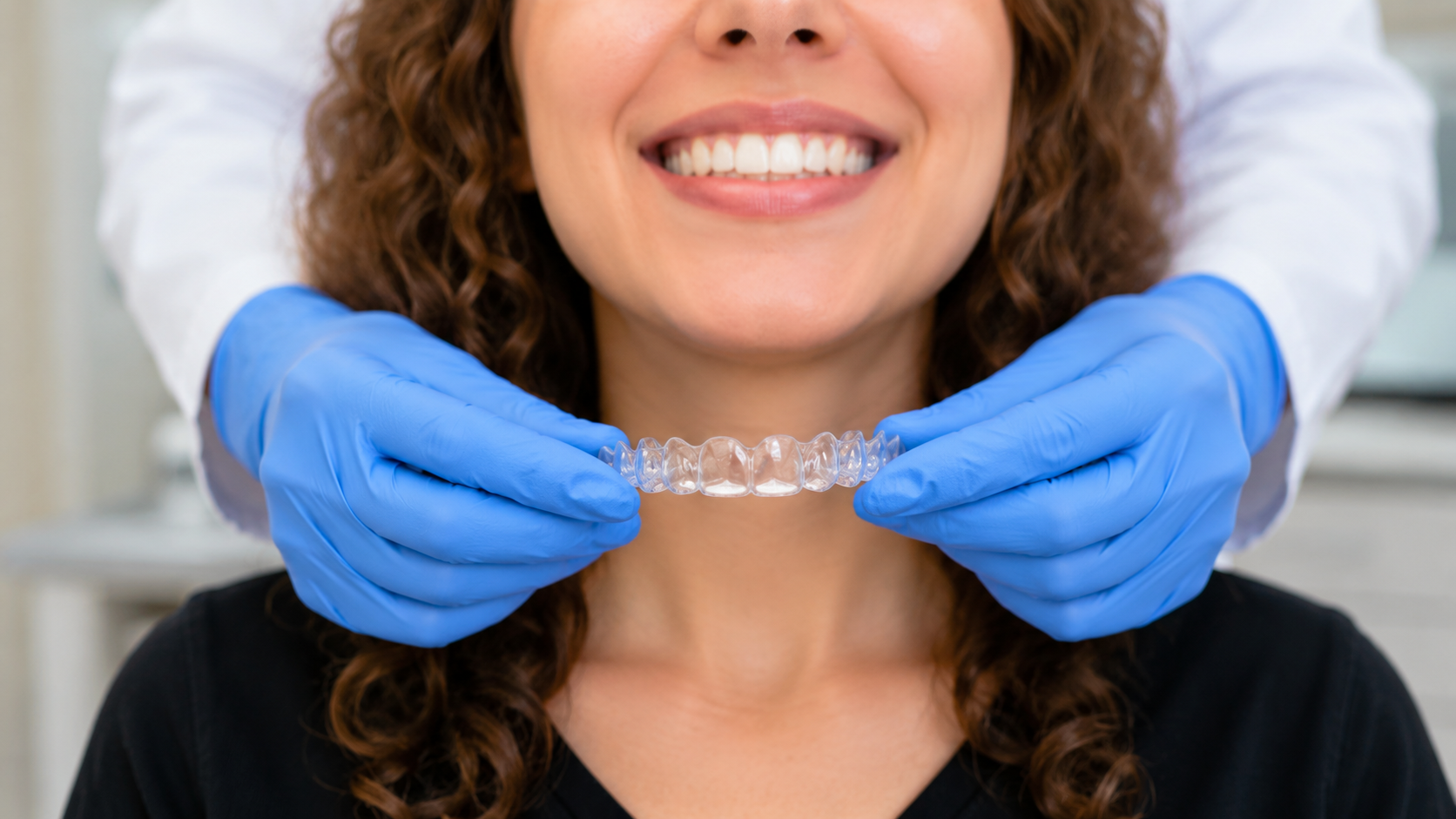
Invisalign is different from traditional braces because it uses removable clear aligners rather than brackets and wires.
That can make maintaining oral hygiene easier because you can remove the aligners to brush and floss. Elvebak Orthodontics specifically highlights the removable nature of Invisalign and the ability to maintain regular brushing and flossing during treatment.
But Invisalign is still orthodontic treatment.
The teeth are being moved, which means the same biological principles apply.
A 2023 umbrella review comparing clear aligners with fixed appliances found a slight tendency toward healthier periodontal measurements with clear aligners in some outcomes, but concluded that the differences were generally negligible clinically and that the overall periodontal impact should be considered comparable.
A newer 2026 systematic review and meta-analysis found more favorable periodontal measurements with clear aligners compared with fixed appliances, but also cautioned that differences across studies and potential biases mean the results should be interpreted carefully.
So Invisalign shouldn’t be marketed as “recession-proof.”
Who May Have a Higher Risk?
Your risk isn’t determined by whether you choose braces or Invisalign alone.
Several factors may matter.
Existing gum problems
If you already have gingivitis, periodontal disease, inflammation, or recession, those issues should be evaluated before orthodontic treatment.
Thin gum tissue
Some people naturally have thinner gum tissue around particular teeth. This can make the area more vulnerable during tooth movement.
Tooth position
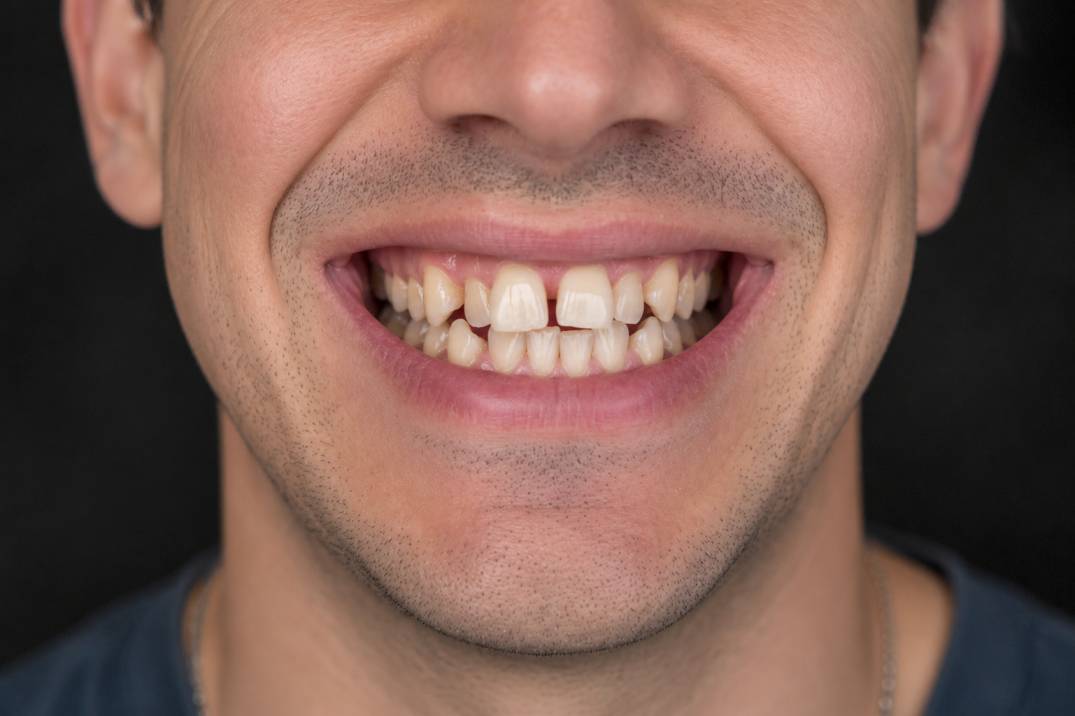
Teeth that are already positioned close to the outer limits of their supporting bone may require more careful treatment planning.
Direction and amount of movement
The amount and direction of tooth movement matter. Moving incisors significantly forward, for example, may create different periodontal considerations than moving them within their existing boundaries.
Oral hygiene
Plaque buildup around braces can make maintaining healthy gums more difficult.
This is one area where patient habits can have a major impact.
Are Braces or Invisalign Better for Your Gums?
There isn’t a universal winner.
Clear aligners can make brushing and flossing more convenient because the trays are removable. Fixed braces, meanwhile, require more attention around brackets and wires.
Research has found some periodontal-health differences between the two approaches, but evidence doesn’t support telling every patient that Invisalign is automatically safer for their gums.
The better question is:
Which treatment can move your teeth into the right positions while maintaining healthy supporting tissues?
That depends on your individual anatomy and orthodontic needs.
How Can You Protect Your Gums During Orthodontic Treatment?
Whether you’re wearing braces or Invisalign, your daily habits matter.
With braces, carefully clean around brackets and along the gumline. Your orthodontic team can recommend the right brushing and interdental-cleaning techniques.
With Invisalign, remove the aligners when eating or drinking anything other than water and brush and floss before putting them back in. Elvebak Orthodontics recommends removing Invisalign aligners for eating, drinking, brushing, and flossing.
Also:
- Don’t brush aggressively.
- Keep regular orthodontic appointments.
- Tell your orthodontist about gum sensitivity or recession.
- Don’t ignore persistent bleeding or swelling.
- Follow your orthodontist’s instructions for aligner wear or braces care.
- Continue routine dental care while undergoing orthodontic treatment.
The goal isn’t simply straight teeth.
It’s a healthy smile with healthy supporting tissues.
What If Your Gums Start Receding During Treatment?
Don’t wait until treatment is finished.
If you notice a lower gumline, increased sensitivity, or a tooth appearing longer, tell your orthodontist.
Your orthodontist may need to evaluate whether the change is related to tooth movement, inflammation, brushing technique, or another factor.
In some cases, your treatment plan may need to be adjusted.
This is one reason regular monitoring matters. Orthodontic treatment isn’t a process where you receive braces or aligners and simply wait for the final result.
Your teeth and surrounding tissues should be monitored throughout treatment.
What Dallas, TX Patients Should Know Before Starting Treatment
If you’re considering braces or Invisalign in Dallas, TX, ask about your gum health before focusing only on how quickly your teeth can become straight.
Patients throughout Dallas and nearby communities such as Plano, Richardson, Addison, Frisco, and surrounding North Texas areas can benefit from an orthodontic evaluation that considers both tooth alignment and the tissues supporting those teeth.
At Elvebak Orthodontics, patients can choose from orthodontic options including braces and Invisalign, with treatment plans customized to individual needs. The practice’s Plano office is located at 6225 Chapel Hill Blvd., Plano, TX 75093, and the practice also has a Dallas location.
If you’re concerned about existing gum recession, thin gums, tooth sensitivity, or your risk of developing recession during treatment, schedule a consultation before choosing an orthodontic option.
You can also meet our orthodontist and discuss your concerns with the team.
The Bottom Line
Braces and Invisalign don’t automatically cause gum recession.
However, orthodontic tooth movement can affect the relationship between your teeth, bone, and gum tissue. Certain patients may be more susceptible to recession, particularly when teeth are moved beyond the limits of their supporting bone or when other risk factors are already present.
The good news is that these considerations can be addressed through proper diagnosis, treatment planning, oral hygiene, and monitoring.
If you’re considering orthodontic treatment, don’t just ask:
“How will my teeth look afterward?”
Also ask:
“How will my gums and supporting tissues be protected during treatment?”
That is the conversation worth having before your braces or Invisalign treatment begins.
Frequently Asked Questions (FAQ’s)
Can braces cause gum recession?
Braces can be associated with gum recession in some patients, particularly when tooth movement and other risk factors make the gum tissue more vulnerable.
Can Invisalign cause receding gums?
Invisalign has not been shown to automatically cause gum recession, although tooth movement during any orthodontic treatment can affect gum tissues in susceptible patients.
Is Invisalign better for gum health than braces?
Clear aligners may make oral hygiene easier, but current evidence does not establish Invisalign as universally better for gum health than fixed braces.
How can I prevent gum recession during orthodontic treatment?
Maintaining good oral hygiene, avoiding aggressive brushing, attending orthodontic appointments, and reporting gum changes early can help protect your gums during treatment.
Should I tell my orthodontist if I already have gum recession?
Yes. Existing gum recession should be evaluated before orthodontic treatment so your orthodontist can consider your gum and bone condition when planning tooth movement.
NEW PATIENTS Are WELCOME!
