

Why Are My Bottom Teeth Becoming More Crooked Every Year?
By Elvebak Orthodontics | July 20, 2026
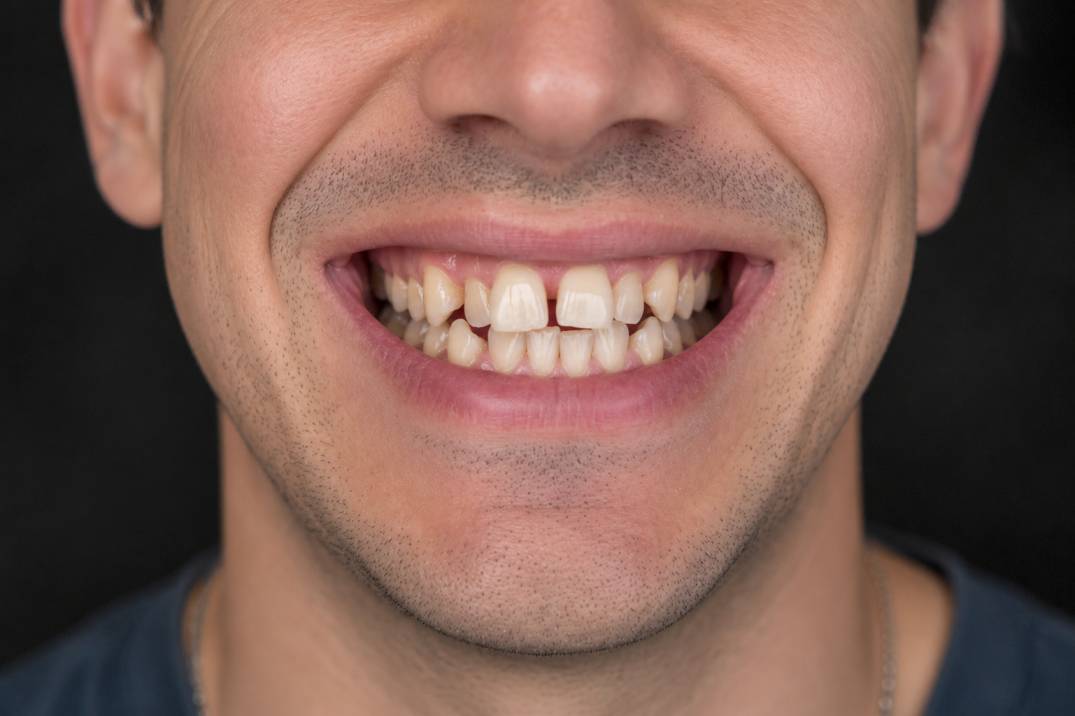
Have you noticed your bottom front teeth looking a little more crowded than they did a few years ago?
Maybe floss doesn’t slide through as easily, one tooth has started overlapping another, or your smile looks slightly different in recent photos. These changes often happen so gradually that many adults don’t notice them until someone points them out or they compare old pictures.
The good news is that you’re not imagining it. Adult teeth can continue to move throughout life, even if you’ve never had orthodontic treatment or completed braces years ago.
While mild crowding may seem like only a cosmetic concern, it can eventually affect your bite, oral hygiene, and long-term dental health. Understanding why your teeth are shifting is the first step toward preventing more significant problems in the future.
Why Do Bottom Teeth Shift as You Get Older?
Many people are surprised to learn that teeth are never completely “locked” into place.
Several factors can gradually change the position of your lower teeth over time.
Natural Aging
As we age, the tissues and bone supporting our teeth continue to change. These natural changes can cause teeth to drift slightly, especially in the lower front of the mouth where space is already limited.
Not Wearing Your Retainer
If you previously had braces or Invisalign, your retainer plays an important role in maintaining your results.
Without consistent wear, teeth naturally try to move back toward their original positions, a process known as orthodontic relapse.
Everyday Bite Pressure
Every bite you take places small amounts of force on your teeth.
Although these forces are normal, years of chewing, swallowing, and clenching can gradually contribute to minor tooth movement.
Teeth Grinding
Many adults grind or clench their teeth during sleep without realizing it.
Over time, this repeated pressure can affect tooth position while also contributing to uneven tooth wear.
Missing Teeth
When a tooth is lost and not replaced, neighboring teeth often begin shifting toward the empty space. This movement can gradually change the alignment of your entire smile.
Signs Your Teeth May Be Shifting
Because tooth movement happens slowly, the early signs are easy to overlook.
You may notice:
- Bottom front teeth beginning to overlap
- Floss getting caught between certain teeth
- Teeth appear more crowded in photos
- Your retainer feels tighter than it used to
- Changes in how your bite feels
- One tooth rotating or moving forward
- More plaque is collecting between the lower teeth
If you’ve noticed one or more of these changes, it’s worth scheduling an orthodontic evaluation before the crowding becomes more significant.
When Should You Consider Invisalign in Dallas, TX?
Not every alignment issue requires immediate treatment, but waiting too long often allows crowding to become more difficult to correct.
If your lower teeth have become noticeably more crowded over the past few years, an orthodontic evaluation can determine whether Invisalign in Dallas, TX, is the right solution for your smile.
Early treatment may help:
- Prevent additional crowding
- Improve bite alignment
- Make brushing and flossing easier
- Reduce uneven tooth wear
- Protect your long-term oral health
Every smile is unique, so the best treatment plan begins with a comprehensive evaluation.
Myth vs. Fact: Adult Teeth Shifting
Myth: Once you’re an adult, your teeth stop moving.
Fact: Teeth can continue shifting throughout adulthood due to aging, bite forces, missing teeth, and inconsistent retainer use.
Myth: Slight crowding is only a cosmetic issue.
Fact: Crowded teeth can make brushing and flossing more challenging, increasing the risk of plaque buildup and gum problems over time.
Myth: If only one or two teeth have shifted, treatment isn’t necessary.
Fact: Small changes often continue progressing. Addressing them early can help prevent more extensive orthodontic treatment later.
Myth: Invisalign is only for teenagers.
Fact: Adults make up a significant portion of Invisalign patients because the clear aligners offer a discreet, convenient way to improve both smile appearance and bite function.
Why Early Orthodontic Care Matters
Many adults postpone treatment because the changes seem minor.
However, crowded teeth can create challenges beyond appearance.
According to the American Dental Association (ADA), properly aligned teeth are generally easier to clean, allowing toothbrushes and floss to reach more surfaces effectively. Better access for daily oral hygiene can help reduce plaque accumulation and support healthier gums over time.
Seeking treatment while crowding is still mild often provides more treatment options and may help prevent future bite complications.
Can Invisalign Correct Crowded Bottom Teeth?
In many cases, yes.
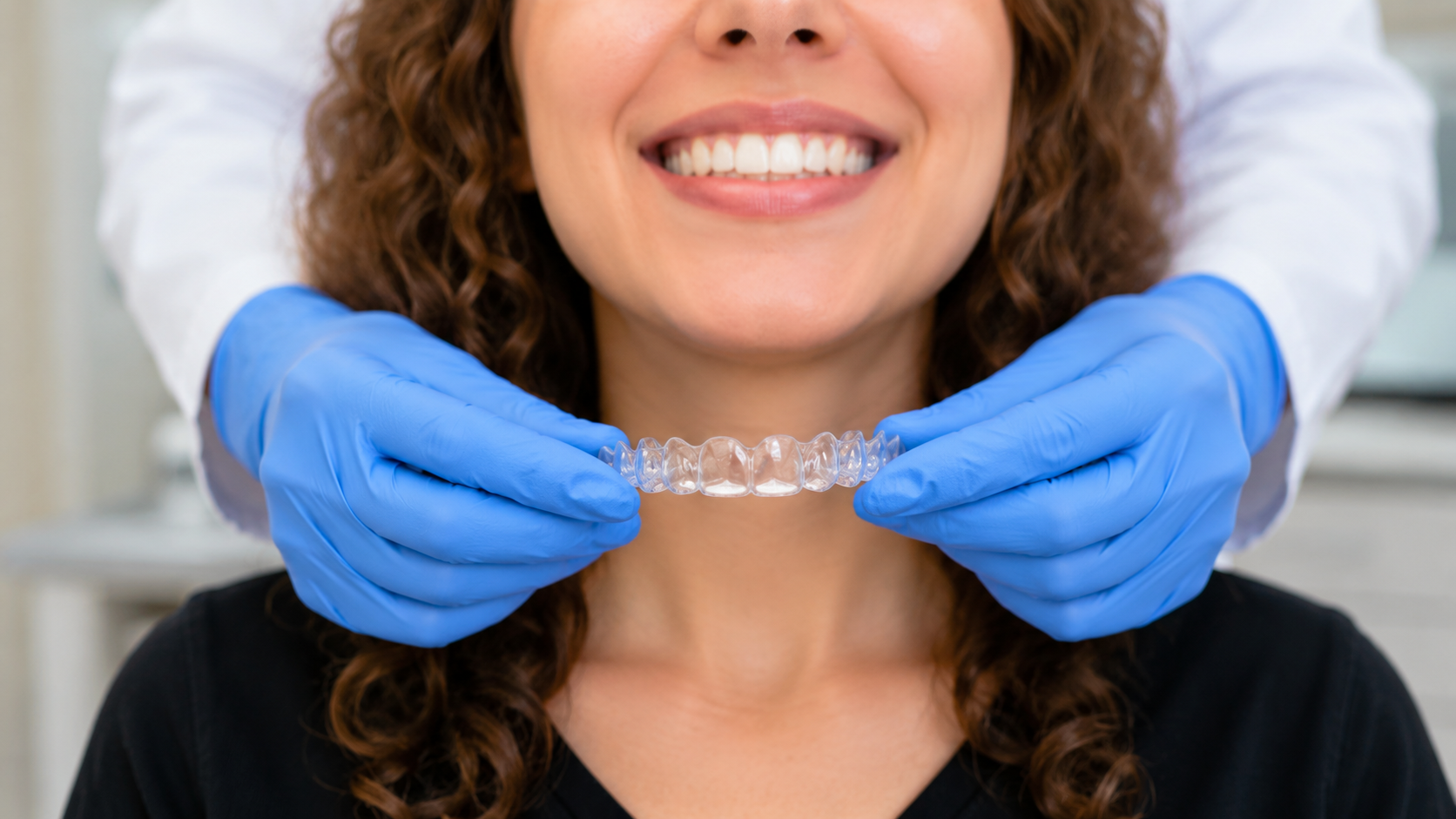
Invisalign uses a series of custom-made clear aligners that gently move teeth into healthier positions over time.
Depending on your individual needs, Invisalign may help:
- Straighten crowded lower front teeth
- Improve bite alignment
- Reduce overlapping teeth
- Make oral hygiene easier
- Enhance the overall appearance of your smile
Because the aligners are removable, patients can continue enjoying their favorite foods while brushing and flossing without additional appliances getting in the way.
An orthodontic consultation is the best way to determine whether Invisalign is the right choice for your specific smile.
Why More Adults in Dallas Are Choosing Invisalign
Orthodontic treatment is no longer just for teenagers.
Many adults choose Invisalign because it fits comfortably into their personal and professional lives.
Some of the benefits include:
- Nearly invisible aligners
- Comfortable, smooth trays
- No food restrictions
- Easy brushing and flossing
- Fewer office visits than traditional braces in many cases
Whether you’re attending business meetings in downtown Dallas or spending weekends with family around the Metroplex, Invisalign allows you to straighten your smile with minimal interruption to your daily routine.
Don’t Let Small Changes Turn Into Bigger Problems
Teeth rarely move back into place on their own. In fact, gradual crowding often continues over time, making future treatment more involved than it might have been if addressed earlier.
If you’ve noticed your bottom teeth becoming more crowded, your retainer fitting differently, or changes in the way your teeth come together, now is a great time to have your smile evaluated.
At Texas Braces, we create personalized treatment plans designed around each patient’s smile, lifestyle, and orthodontic goals. If you’re considering invisalign in Dallas, TX, our experienced team is here to help you understand your options and develop a plan that works for you.
Schedule an appointment today and take the first step toward a healthier, straighter smile. We’re proud to provide expert orthodontic care for patients throughout Dallas, Plano, and surrounding communities.
Frequently Asked Questions (FAQ’s)
Why are my bottom teeth becoming more crooked as I get older?
Natural aging, everyday bite forces, teeth grinding, and inconsistent retainer use can all contribute to gradual tooth movement.
Can Invisalign fix crowded bottom teeth?
Yes. Invisalign is commonly used to treat mild to moderate crowding while improving both smile appearance and bite alignment.
Is it normal for teeth to shift after braces?
Yes. Without regular retainer wear, teeth naturally tend to move over time.
Can crowded bottom teeth affect my oral health?
Yes. Crowded teeth can make brushing and flossing more difficult, increasing the risk of plaque buildup, cavities, and gum disease.
When should I consider Invisalign in Dallas, TX?
If you’ve noticed increasing crowding, changes in your bite, or difficulty cleaning between your teeth, an orthodontic evaluation can determine whether Invisalign is right for you.
NEW PATIENTS Are WELCOME!
