

Why Do My Aligners Smell?
By Elvebak Orthodontics | February 27, 2026
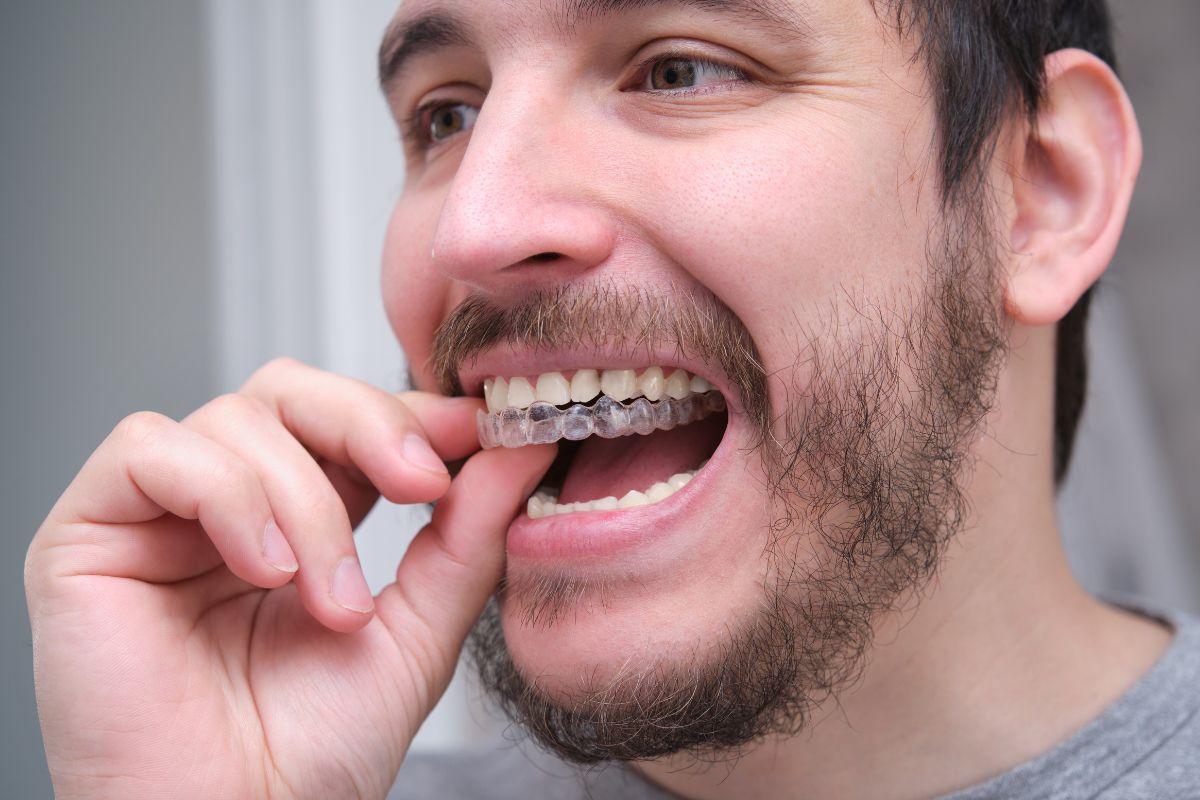
Clear aligners are designed to be discreet, comfortable, and convenient. But if you’ve noticed an unpleasant odor coming from your aligners, you’re not alone. Many people undergoing Invisalign treatment experience this at some point. While it can feel concerning or embarrassing, aligner odor is usually linked to simple, fixable factors related to oral hygiene, wear habits, and bacterial buildup.
Understanding why aligners smell—and how to prevent it—can help you stay confident and comfortable throughout your Invisalign journey.
Why Aligners Can Develop Odor
Aligners sit snugly over teeth for most of the day, creating a warm, enclosed environment. This space can trap saliva, food particles, and bacteria. Over time, microbial buildup can lead to unpleasant smells if aligners are not cleaned consistently or handled properly.
Unlike removable retainers worn occasionally, aligners are typically worn 20–22 hours per day. This extended wear increases the chance of odor if hygiene routines slip.
Common Reasons Your Aligners Smell
Bacterial Buildup on the Plastic
The most common cause of aligner odor is bacterial accumulation. Oral bacteria naturally live in the mouth, and they adhere easily to aligner surfaces. When bacteria break down trapped debris, they release sulfur compounds—the same molecules responsible for bad breath.
Without daily cleaning, aligners can start to smell even if your teeth look clean.
Trapped Food and Saliva Residue
Eating or drinking anything besides water while wearing aligners allows microscopic particles to enter the trays. These particles become trapped between teeth and plastic, where they ferment and produce odor.
Even clear beverages like juice or sports drinks can leave sugars behind that bacteria feed on.
Inconsistent Cleaning Habits
Aligners require regular cleaning separate from tooth brushing. Rinsing alone may remove visible debris but does not eliminate odor-causing bacteria.
If cleaning is skipped or done quickly, biofilm can form on the aligner surface. This invisible layer is a major contributor to persistent smell.
Dry Mouth and Saliva Changes
Saliva naturally cleanses the mouth and reduces bacterial growth. If you experience dry mouth—common during Invisalign wear—odor can increase. Reduced saliva allows bacteria to accumulate more easily on both teeth and aligners.
Hydration levels and breathing habits can also influence this.
Wearing Aligners Too Long Without Cleaning
Wearing aligners continuously without removing and rinsing them allows plaque and bacteria to build up. Overnight wear without proper cleaning beforehand can intensify odor by morning.
Because aligners fit tightly, odors can concentrate inside the trays.
When Aligner Odor Signals a Bigger Issue
Occasional mild odor is common. However, a strong or persistent smell may indicate underlying oral factors, such as:
- Plaque accumulation on teeth
- Gum inflammation
- Cavities developing under aligners
- Poor oral hygiene routines
During Invisalign treatment, regular dental monitoring helps ensure that aligners fit properly and oral tissues remain healthy. If odor persists despite cleaning, evaluation by an experienced Invisalign provider in Dallas can help identify contributing factors.
How to Prevent Smelly Aligners
Consistent daily habits are the key to keeping aligners fresh. Effective prevention typically includes:
- Cleaning aligners every time they’re removed
- Brushing and flossing before reinserting
- Rinsing with lukewarm (not hot) water
- Avoid eating or drinking with aligners in
- Keeping aligners stored in a clean case
These steps reduce bacterial buildup and prevent odor-causing residue.
Why Proper Aligner Hygiene Matters
Aligners that smell are usually harboring bacteria. Beyond odor, this can affect oral health by increasing plaque levels around teeth and gums. Because aligners cover tooth surfaces, trapped bacteria remain in prolonged contact with enamel and gingiva.
Maintaining clean aligners supports both treatment progress and overall oral health comfort.
Understanding Odor Changes During Invisalign
Some patients notice an increase in odor at certain stages of Invisalign treatment. This can happen when:
- New aligners are introduced
- Teeth are shifting rapidly
- Saliva flow changes
- Wear time increases
These phases can temporarily alter how saliva and bacteria interact with aligners. Odor during transitions is usually manageable with reinforced hygiene habits.
Confidence During Your Invisalign Journey
Clear aligners are meant to improve your smile discreetly. Addressing odor early helps maintain confidence in close conversations and daily interactions. Most aligner smells are preventable and reversible with consistent care and awareness.
If odor continues despite good hygiene, it may be helpful to discuss aligner fit, oral environment factors, or cleaning methods with an experienced Invisalign provider who understands aligner wear patterns and oral health dynamics.
Fresh, Confident Smiles Start at Elvebak Orthodontics
Aligner odor can be frustrating, but it’s usually a sign that small adjustments in hygiene or wear habits can make a big difference. Understanding how bacteria interact with aligners and maintaining consistent oral care throughout Invisalign treatment helps keep your smile fresh, healthy, and comfortable.
At Elvebak Orthodontics, we are committed to guiding patients through every stage of Invisalign with attentive monitoring, personalized hygiene guidance, and a focus on long-term oral health and confidence—schedule an appointment today.
NEW PATIENTS Are WELCOME!
