

What Problems Can an Orthodontist Fix?
By Elvebak Orthodontics | September 12, 2025
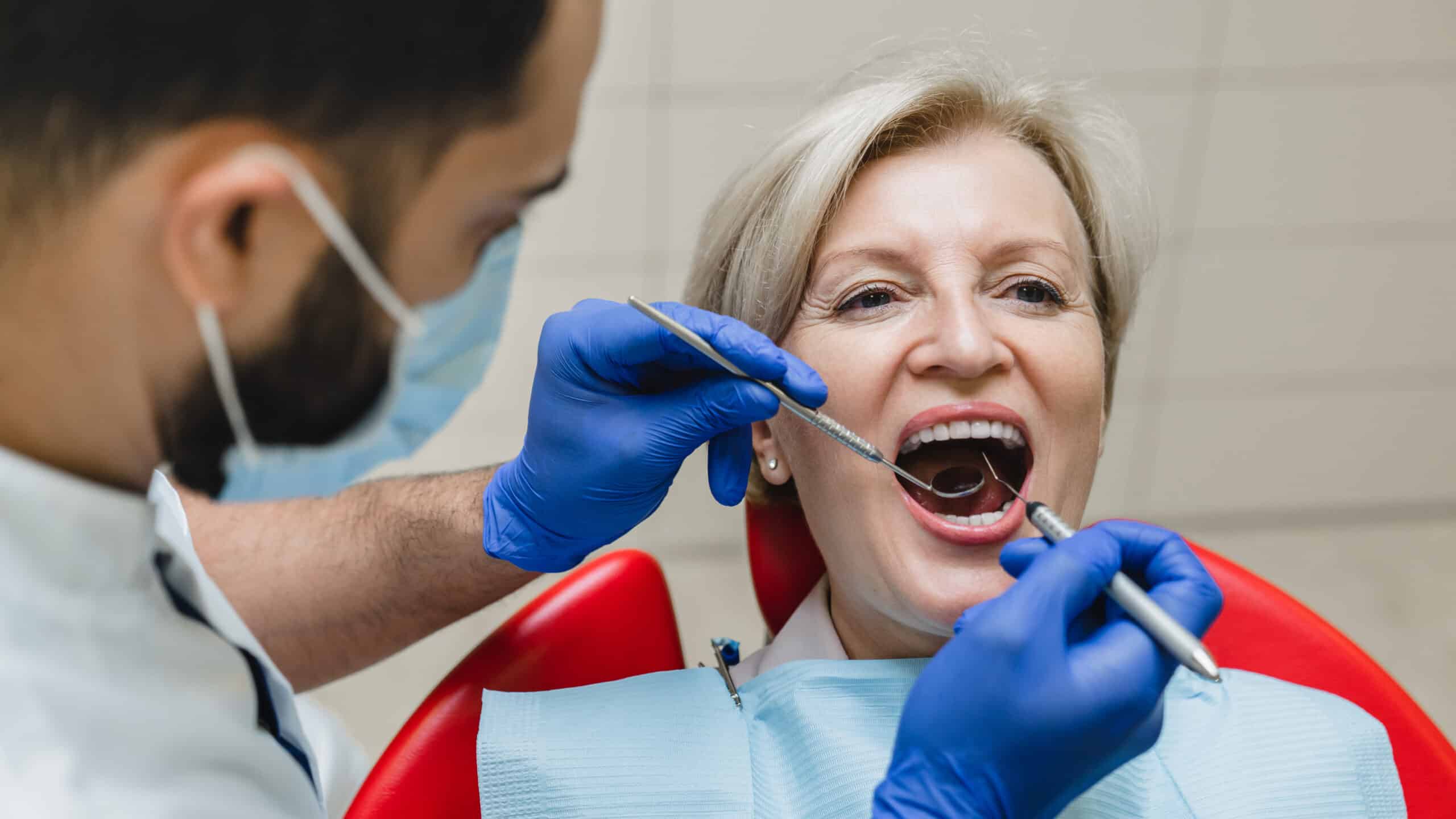
A beautiful smile is more than just straight teeth—it plays a crucial role in your oral health, confidence, and overall well-being. While many people think of orthodontists as specialists who only straighten teeth, their expertise goes well beyond that. An experienced orthodontist helps correct a variety of dental and jaw issues that can impact your health, function, and appearance over time.
If you’ve ever wondered, “What exactly can an orthodontist fix?” this guide explains the most common problems they address and why seeing a Dallas orthodontist early can make all the difference.
1. Crooked or Misaligned Teeth
One of the most common reasons people visit an orthodontist is for crooked or misaligned teeth. Teeth that overlap, twist, or grow in at odd angles aren’t just a cosmetic concern—they can make proper brushing and flossing difficult. This increases the risk of cavities, gum disease, and even tooth loss.
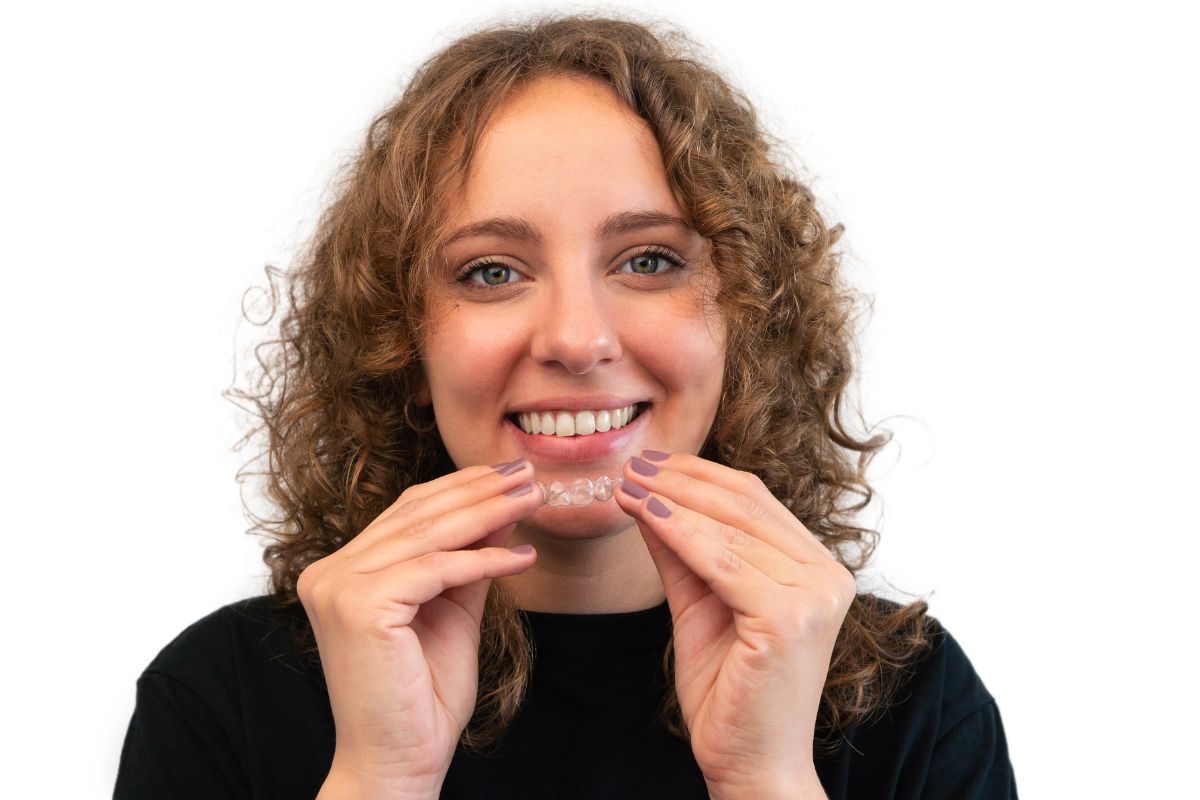
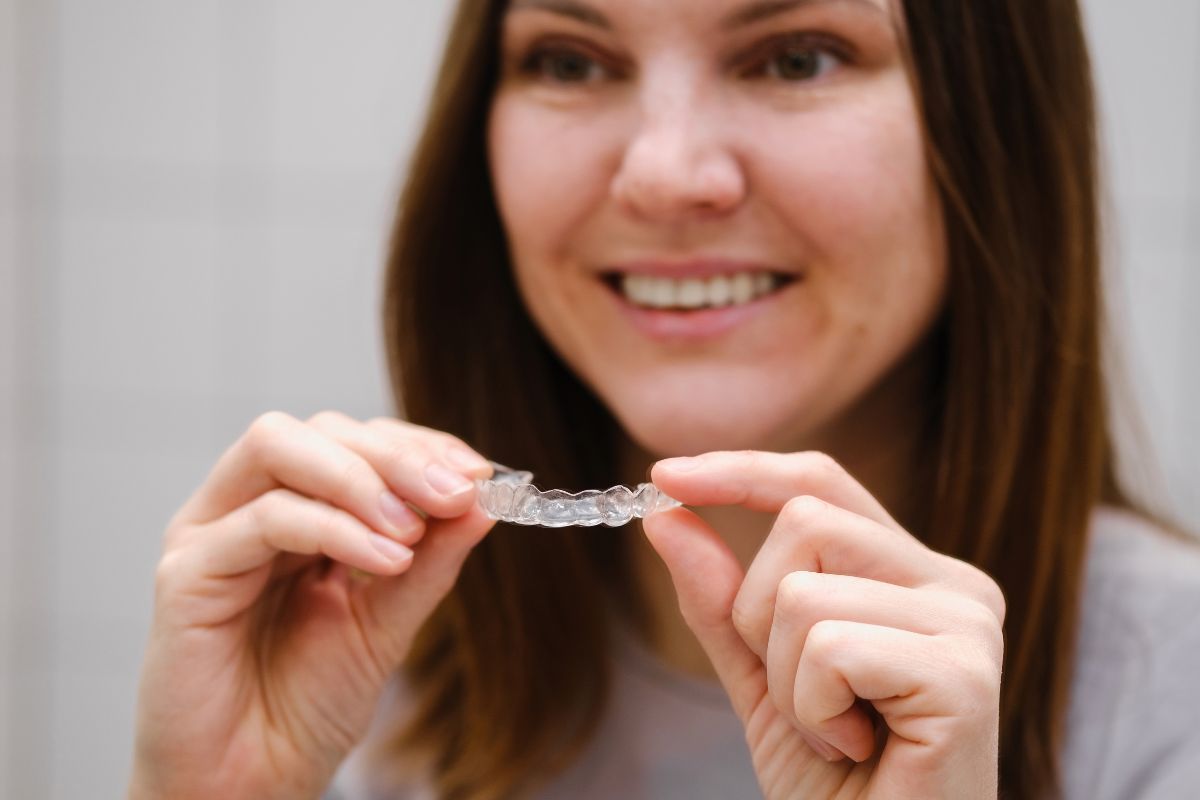
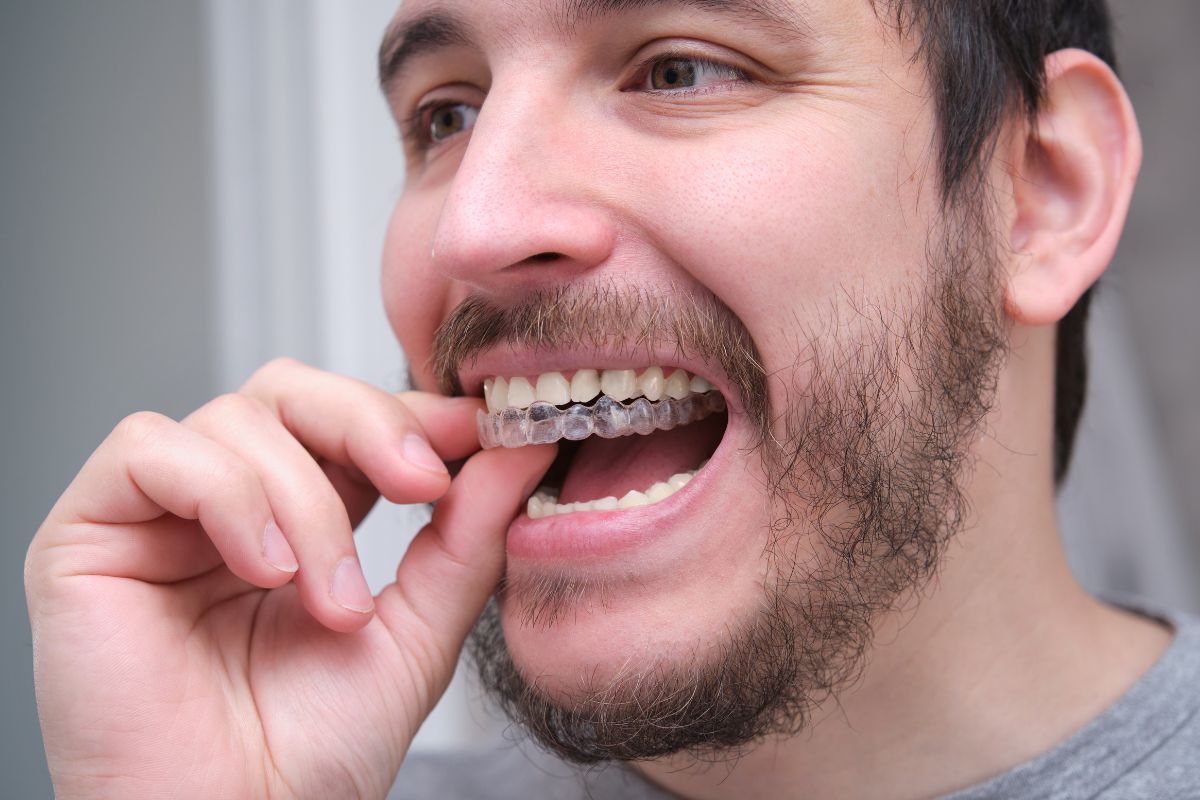
Orthodontists correct these problems using braces or clear aligners, applying gentle, consistent pressure to gradually move teeth into their proper positions. A well-aligned smile is easier to maintain and improves long-term oral health.
2. Overcrowded Teeth
Overcrowding occurs when there isn’t enough space in the jaw for all of the teeth to fit properly. This causes teeth to overlap, twist, or push against each other, making dental hygiene challenging and raising the risk of plaque buildup and decay.
Our Dallas orthodontist can assess the degree of overcrowding and recommend treatment options to create space and realign the teeth. Depending on the case, treatments may involve braces, clear aligners, or other orthodontic appliances.
3. Gaps Between Teeth (Diastema)
While some small gaps between teeth are normal, significant gaps (called diastema) can affect both function and appearance. These gaps may develop due to genetics, habits like thumb-sucking, or discrepancies between jaw size and tooth size.
Orthodontic treatments like braces or Invisalign help close gaps by gradually moving teeth into place. Correcting these spaces improves the bite, reduces speech difficulties, and enhances the smile’s aesthetic appeal.
4. Overbite, Underbite, and Crossbite (Malocclusion)
Malocclusion refers to misalignment between the upper and lower teeth when the mouth is closed. It commonly includes:
- Overbite: Upper front teeth excessively overlap lower teeth.
- Underbite: Lower teeth protrude beyond upper teeth.
- Crossbite: Some upper teeth sit inside the lower teeth when biting down.
These conditions can lead to problems such as jaw pain, difficulty chewing, speech issues, and uneven wear on the teeth. An orthodontist in Dallas evaluates the bite and recommends appropriate treatment—often braces or aligners—to correct alignment and improve function.
5. Open Bite
An open bite occurs when the front teeth don’t touch when the mouth is closed, leaving a noticeable gap. This can result from habits like thumb-sucking or tongue thrusting and may cause difficulties in biting or chewing food properly.
Orthodontists treat open bite cases with braces, aligners, or specialized appliances that help reposition the teeth and correct the bite, improving both functionality and appearance.
6. Speech Difficulties Related to Teeth Alignment
Misaligned teeth or bite issues can interfere with the proper positioning of the tongue, causing speech problems like lisping or difficulty pronouncing certain words. Orthodontic treatment helps align teeth and correct the bite, allowing for clearer speech development.
7. Delayed or Abnormal Tooth Eruption
Sometimes, permanent teeth fail to erupt on time or in the proper position. This can be due to overcrowding, misalignment, or missing teeth. An orthodontist monitors tooth eruption during childhood and intervenes early to ensure teeth emerge in the correct position, preventing future complications.
Why Visit a Dallas Orthodontist Early?
An early visit to an orthodontist helps catch potential problems before they worsen. Orthodontists don’t just focus on aesthetics—they prioritize function, health, and long-term outcomes. Whether your child is experiencing crooked teeth, bite problems, or jaw pain, timely treatment can prevent complications and reduce treatment time later.
Final Thoughts
At Elvebak Orthodontics, we understand that an orthodontist plays a vital role in correcting a wide range of dental and jaw problems. From crooked teeth and overcrowding to serious bite issues and jaw alignment concerns, professional evaluation and treatment ensure not only a more attractive smile but also better oral health and function.
At our dental clinic, we are dedicated to providing expert, patient-centered care that guides you through every step of your orthodontic journey, helping you achieve lasting results and a healthy, confident smile.
1: How do I know if I have a bite problem that needs correction?
Common signs include difficulty chewing, jaw pain, teeth grinding, speech issues, or noticeable misalignment. A professional evaluation by a Dallas orthodontist will help determine the problem.
2: Do crooked teeth affect oral health or just appearance?
Crooked teeth can make cleaning difficult, increasing the risk of cavities and gum disease. Correcting alignment improves both oral health and the smile’s appearance.
3: How long does orthodontic treatment usually take?
Treatment time varies depending on the complexity of the problem but generally ranges from 12 to 24 months for braces or Invisalign. Your orthodontist will provide a personalized timeline during your consultation.
4: Can adults get braces or Invisalign to fix alignment issues?
Yes, adults can benefit from both braces and Invisalign. An orthodontist evaluates your specific needs and recommends the best solution based on your dental structure and lifestyle.
NEW PATIENTS Are WELCOME!
