

Tips for Maintaining Oral Hygiene During Orthodontic Treatment
By Elvebak Orthodontics | June 6, 2025
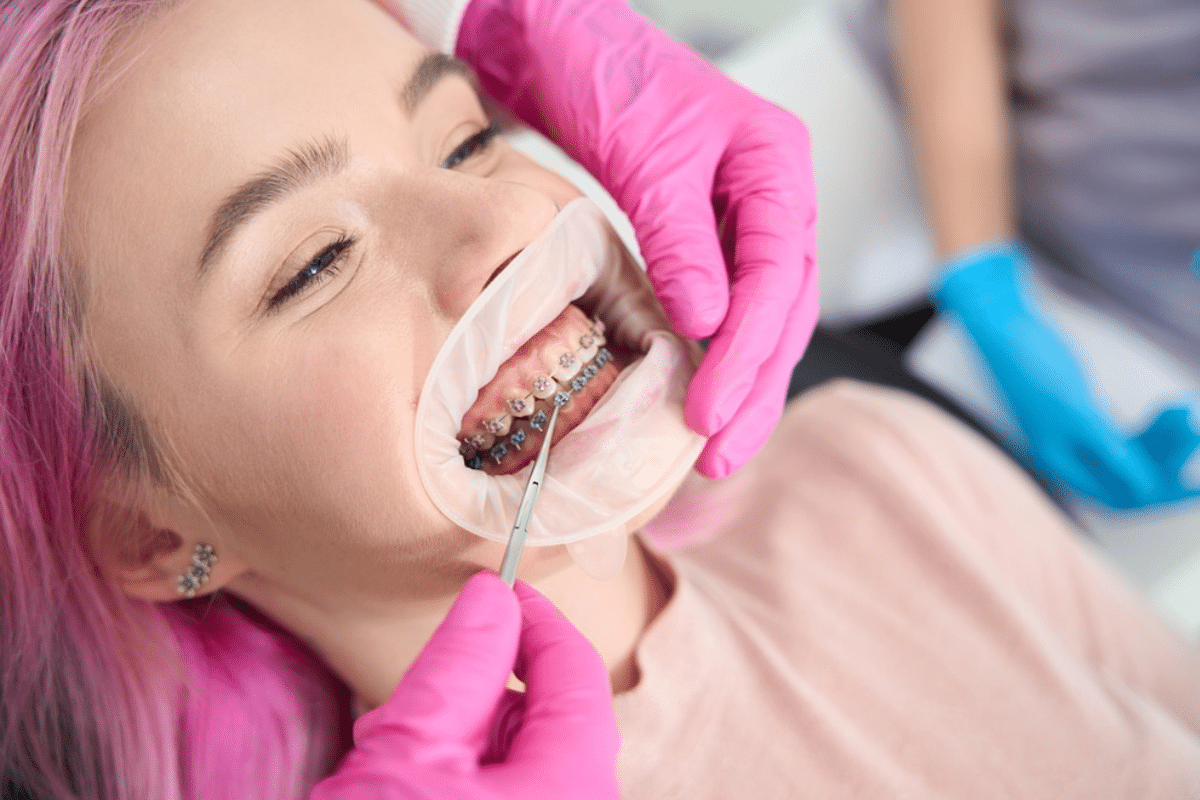
Orthodontic treatment is a valuable investment in your smile, helping to straighten teeth, improve bite function, and enhance overall oral health. However, maintaining excellent oral hygiene during this period can be challenging, especially when wearing braces or other orthodontic appliances. Proper care is crucial to prevent issues like tooth decay, gum disease, and staining while ensuring the best possible outcome from your treatment.
If you’re currently undergoing orthodontic care or considering it, understanding how to care for your teeth and gums during this process is essential. In this article, we’ll share practical tips for maintaining optimal oral hygiene throughout orthodontic treatment, with insights from an experienced orthodontist in Dallas.
Why Oral Hygiene Matters During Orthodontic Treatment
Orthodontic appliances such as braces, wires, and aligners create additional surfaces and spaces where food particles and plaque can accumulate. This makes it easier for harmful bacteria to thrive, increasing the risk of cavities, gum inflammation, and bad breath.
Failing to maintain good oral hygiene can also lead to decalcification, which appears as white spots on teeth once braces are removed. These marks indicate enamel weakening and are often permanent, affecting the overall appearance of your smile.
That’s why an orthodontist not only focuses on correcting your teeth alignment but also emphasizes educating patients on how to keep their mouth clean and healthy throughout the treatment journey. Following are some topic tips for Maintaining Oral Hygiene During Orthodontic Treatment:
1. Brush Thoroughly and Frequently
Brushing after every meal is critical when you have braces or orthodontic devices. Use a soft-bristled toothbrush and fluoride toothpaste, aiming to clean all tooth surfaces and carefully around brackets and wires. Consider using an interdental or orthodontic toothbrush designed to reach difficult areas.
Spend at least two minutes brushing, making sure to angle the brush to access beneath wires and brackets. This removes food debris and plaque that can lead to decay.
2. Floss Daily
Flossing is essential for removing plaque and food particles from between teeth and under the gumline. While traditional flossing can be tricky with braces, tools such as floss threaders, orthodontic flossers, or water flossers make this task easier and more effective.
Your orthodontist in Dallas can guide you on the best flossing techniques and recommend products suitable for your specific treatment.
3. Use Mouthwash to Boost Protection
A fluoride mouthwash can provide an additional layer of protection by strengthening tooth enamel and reducing bacteria. Rinsing with an antibacterial mouthwash helps control plaque and prevent gum inflammation.
Look for alcohol-free options to avoid drying out your mouth, and consult your orthodontist about the best mouthwash for your needs.
4. Avoid Certain Foods
Sticky, sugary, and hard foods can damage orthodontic appliances and contribute to plaque buildup. Avoid chewing gum, caramel, hard candies, popcorn, and crunchy snacks during your treatment.
These foods can loosen brackets, bend wires, or get stuck, making it harder to maintain cleanliness and potentially extending your treatment time.
5. Stay Hydrated and Maintain a Balanced Diet
Drinking plenty of water helps wash away food particles and keeps saliva flowing, which naturally protects teeth from decay. Eating a balanced diet rich in vitamins and minerals supports gum health and overall oral wellness.
Limit sugary drinks and snacks that feed harmful bacteria and can increase the risk of cavities.
6. Attend Regular Orthodontic and Dental Checkups
Consistent visits to your orthodontist ensure your treatment progresses smoothly and that any potential oral hygiene concerns are addressed promptly. Your orthodontist will monitor your teeth and gums for signs of inflammation or decay and provide professional cleanings as needed.
Regular dental checkups complement your orthodontic care by focusing on broader oral health maintenance.
7. Use Orthodontic Wax for Comfort
Braces and wires can sometimes irritate the soft tissues inside your mouth. Applying orthodontic wax over brackets or sharp edges helps reduce discomfort and prevents sores, encouraging you to maintain oral hygiene without pain.
The Role of Your Orthodontist in Supporting Oral Hygiene
A skilled orthodontist in Dallas plays a vital role beyond aligning your teeth. They provide personalized education on hygiene practices, recommend appropriate oral care tools, and monitor your progress closely to minimize complications.
Their patient-centered approach ensures that you feel supported and informed throughout your orthodontic journey. If you ever experience pain, or discomfort, or notice changes in your oral health, your orthodontist is your go-to resource for timely advice and solutions.
Final Thoughts
Maintaining excellent oral hygiene during orthodontic treatment requires dedication and the right techniques, but it’s key to achieving a healthy, beautiful smile once your braces come off or your aligners finish their work. By brushing and flossing diligently, avoiding harmful foods, staying hydrated, and attending regular appointments, you can protect your teeth and gums throughout this important process.
Our dental clinic is committed to providing expert guidance and compassionate care to support your oral health during orthodontic treatment. Schedule an appointment today to learn how we can help you maintain a healthy smile every step of the way.
NEW PATIENTS Are WELCOME!
